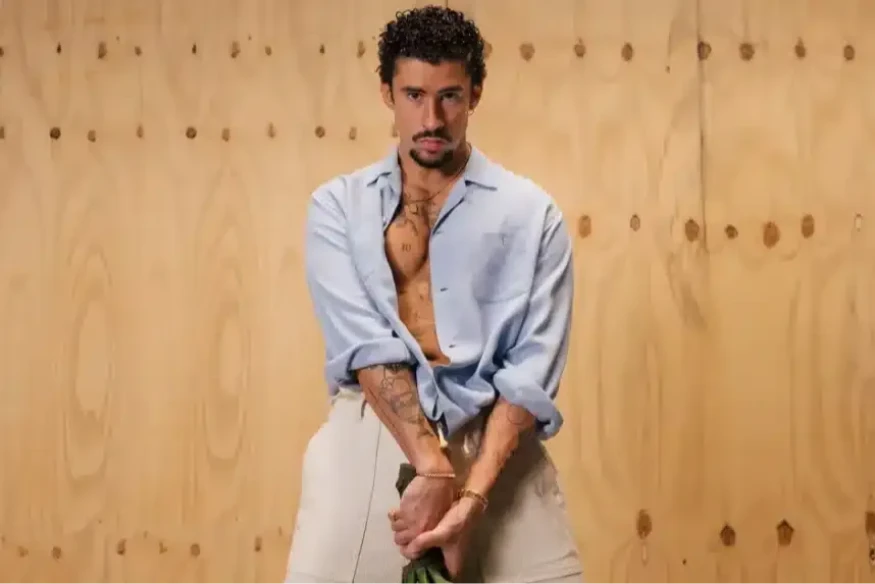
Lady Gaga joined Bad Bunny on stage during the Super Bowl LX halftime show and later thanked him publicly, saying she would not have missed the moment for anything. The surprise appearance quickly became one of the most talked-about highlights of the night, blending pop power with Latin energy on one of the world’s biggest stages.
When Lady Gaga walked onto the Super Bowl LX stage, no one saw it coming. There had been no leaks, no hints, no social media clues. Yet within seconds, the stadium erupted and millions watching at home realized they were witnessing one of the biggest surprises of the night. Lady Gaga had joined Bad Bunny for a halftime show moment that instantly shifted the energy of the entire event.
The Super Bowl LX halftime show already carried massive expectations. With Bad Bunny as the headliner, the spotlight was firmly on Latin music and cultural pride. But the addition of Lady Gaga turned the performance into something even larger. It was not just a collaboration. It felt like a statement about the direction of global pop culture.
Lady Gaga did not appear as the center of attention. Instead, she stepped into Bad Bunny’s vision and supported it fully. That choice alone said a lot. Known for commanding stages on her own, Lady Gaga embraced a shared spotlight, allowing the Super Bowl halftime show to remain rooted in the concept Bad Bunny had carefully built.
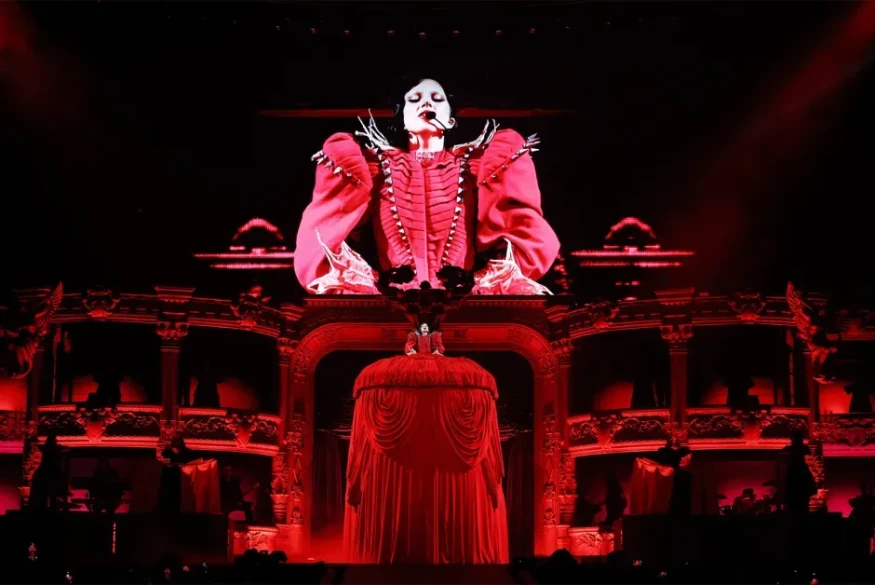
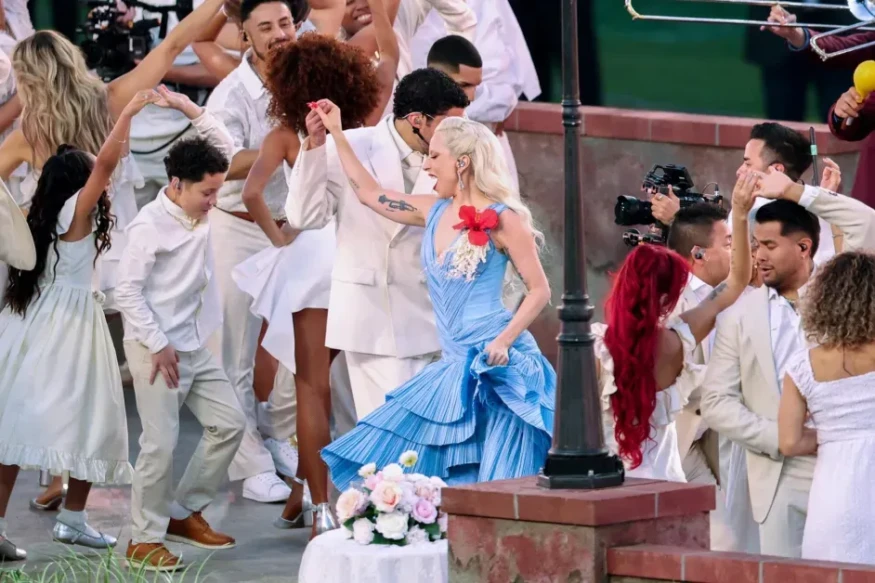
The performance unfolded as a vibrant celebration of Puerto Rican identity, rhythm, and unity. Bright visuals, live percussion, and brass sections created an atmosphere closer to a street festival than a traditional stadium show. When Lady Gaga entered the stage, she matched that energy without overpowering it. She moved with ease, smiling, dancing, and blending her voice into the Latin-driven arrangement.
The song she performed, “Die With a Smile,” sounded completely different from its original version. For the Super Bowl halftime show, the track was reimagined with salsa-inspired beats and bold horns. The new arrangement gave Lady Gaga space to explore a warmer, more rhythmic tone. Instead of delivering a dramatic pop ballad moment, she leaned into the groove and let the music breathe.
The transformation highlighted one of Lady Gaga’s strongest qualities: versatility. She has built a career on reinvention, and the Super Bowl stage once again showed how easily she adapts. Rather than performing the song exactly as fans knew it, she allowed it to evolve within the world of Bad Bunny’s halftime vision.
Her outfit also drew attention. Lady Gaga wore a look filled with color and subtle references to Puerto Rican symbolism. It was not random styling. Every detail felt intentional, designed to honor the theme of the show rather than steal focus. The styling choice reinforced the idea that she came to celebrate, not to dominate.
Just hours after the Super Bowl ended, Lady Gaga took to social media to thank Bad Bunny. Her message was clear and heartfelt. She expressed gratitude for being invited and said she would not have missed the experience for anything. The tone of her response felt genuine, not promotional. It sounded like an artist who truly valued the moment.
That public thank you added another layer to the story. Lady Gaga did not treat the Super Bowl appearance as a career move. She framed it as an honor. In an industry where collaborations can sometimes feel strategic, her words made this one feel personal.
This was not Lady Gaga’s first connection to the Super Bowl. She famously performed the national anthem years ago and later headlined her own halftime show. That performance remains one of the most remembered in Super Bowl history. But this time was different. Instead of carrying the entire halftime show on her shoulders, she stepped into a supporting role. That shift made the appearance even more interesting.
The chemistry between Lady Gaga and Bad Bunny felt natural. Their interaction on stage looked relaxed and playful. At one point, they danced side by side, laughing and moving freely. It did not feel overly rehearsed. It felt alive. That authenticity became one of the strongest talking points after the Super Bowl.
Fans quickly flooded social media with clips of the moment. Many praised Lady Gaga for embracing the Latin vibe so effortlessly. Others highlighted how powerful it was to see two global artists from different backgrounds share the Super Bowl stage in such a balanced way.
The Super Bowl halftime show has evolved over the years. It is no longer just a musical break between game quarters. It has become a global cultural platform. Artists use it to showcase identity, send messages, and redefine mainstream visibility. In that sense, Lady Gaga’s presence alongside Bad Bunny carried weight beyond entertainment.
Bad Bunny built his halftime show around Latin pride and collective joy. By joining him, Lady Gaga helped amplify that message. She did not redirect the focus. She added to it. The decision to perform in Spanish-inspired rhythms on such a large American stage made a statement about how global pop music has become.
For Lady Gaga, the collaboration also fits into a larger pattern in her career. She has always shown interest in crossing genres and cultures. From jazz standards to electronic pop, from film roles to arena tours, she rarely limits herself to one lane. The Super Bowl appearance felt like another chapter in that creative openness.
The timing also mattered. Both Lady Gaga and Bad Bunny are at strong points in their careers. Each commands a massive fan base. Their shared moment at the Super Bowl brought those audiences together in real time. It was not competition. It was collaboration.
Behind the spectacle, there was also something simple and human about it. Lady Gaga looked genuinely happy to be there. Her smile during the performance felt unforced. Her body language suggested she was enjoying the celebration just as much as the crowd.
That may be why the moment resonated so strongly. The Super Bowl is often associated with scale and spectacle. But the most memorable parts are usually the ones that feel real. Lady Gaga thanking Bad Bunny publicly reinforced that feeling. It turned a surprise cameo into a story about respect between artists.
The conversation after the Super Bowl LX halftime show has not slowed down. Analysts are discussing viewership numbers. Fans are replaying clips. Fashion accounts are breaking down Lady Gaga’s look. Music critics are examining the Latin arrangement of “Die With a Smile.”
Through it all, one theme remains clear: the collaboration worked. Lady Gaga did not need to headline to make an impact. Bad Bunny did not need to change his concept to accommodate her. Together, they created a Super Bowl moment that felt fresh and culturally rich.
As the dust settles, the image of Lady Gaga dancing beside Bad Bunny under the bright lights of the Super Bowl stage continues to circulate. It stands as a reminder that the biggest stages can still surprise us. And sometimes, the most powerful appearances are the ones no one expected.