Bad Bunny made Super Bowl history with 128 million viewers during his halftime show, delivering one of the most watched performances ever and helping Super Bowl LX reach record-breaking ratings worldwide.
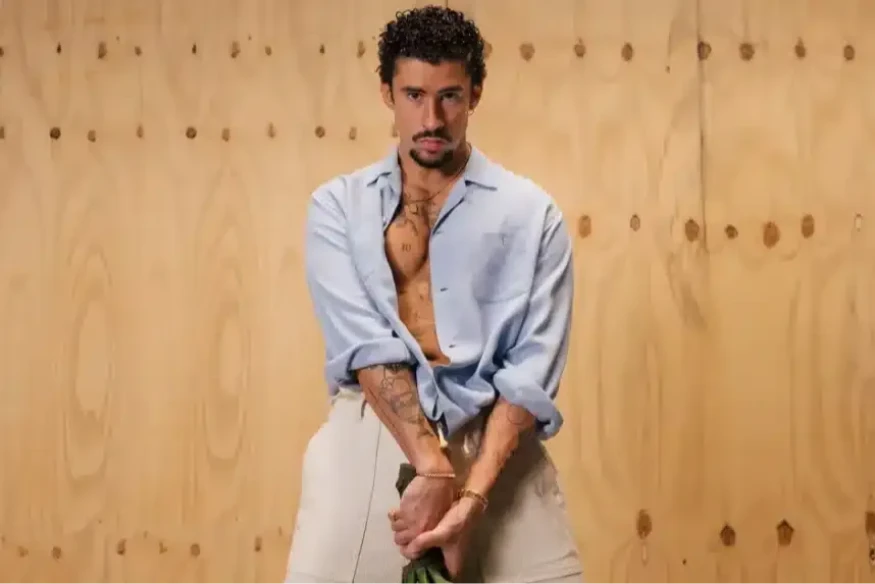
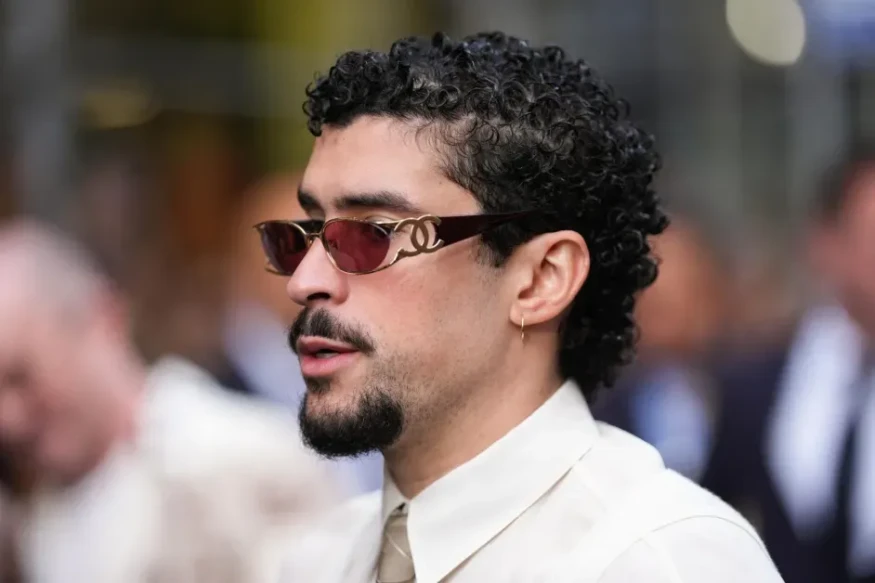
Bad Bunny turned the Super Bowl stage into a global moment, drawing 128 million viewers for his halftime show and helping Super Bowl LX reach some of the highest ratings in the event’s history. What happened during those 15 minutes was more than a concert break between plays. It became a cultural milestone that blended music, identity, and global reach in a way the Super Bowl had never seen before.
Super Bowl LX already entered the record books for overall viewership. At its peak, the broadcast reached 137.8 million viewers during the second quarter of the game. The average audience settled at 124.9 million, confirming once again that the Super Bowl remains the biggest television event of the year in the United States. Yet even within those massive numbers, Bad Bunny stood out. His halftime show alone attracted 128.2 million viewers, placing him among the most watched performers in Super Bowl history.
For Bad Bunny, the moment marked a new high point in an already groundbreaking career. Taking center stage at the Super Bowl halftime show is a rare honor. Delivering a performance that draws 128 million viewers makes it historic. The scale of the audience underlined how far Latin music has come in global pop culture, and how powerful Bad Bunny has become as an international artist.
The Bad Bunny Super Bowl performance was not built around safe choices. From the first second, it was clear that he was presenting a show rooted in his identity. For the first time in Super Bowl history, the entire halftime performance was delivered fully in Spanish. That decision carried weight. It was not simply about language. It was about visibility, pride, and representation on one of the largest stages in American entertainment.
The stage design reflected that same intention. Instead of generic pop visuals, the show featured imagery inspired by Latin American streets, neighborhoods, and cultural references. The colors were bold. The choreography was energetic. The set felt alive and personal rather than polished for mass appeal. Bad Bunny used the Super Bowl platform to bring his world to a global audience of 128 million viewers.
The setlist moved between his biggest hits and deeper cuts that showcased different sides of his catalog. It was not just a hit parade. It was structured like a story. There were moments of celebration, moments of reflection, and moments that hinted at political and social themes. That balance gave the halftime show more depth than a typical performance. Viewers were not just watching a concert. They were watching a statement unfold.
Guest appearances added extra energy to the Bad Bunny Super Bowl show. Collaborators joined him on stage, turning the performance into a shared celebration rather than a solo spotlight. The chemistry between the artists made the massive stadium feel connected, even with 128 million viewers watching from home.
The impact of the show extended far beyond television. Within hours of the Super Bowl broadcast, Bad Bunny’s streaming numbers exploded. In the United States, his music streams jumped by more than 470 percent. Globally, the increase passed 200 percent. The 128 million viewers who watched the halftime show clearly did not stop at watching. They went directly to digital platforms to replay songs, explore albums, and rediscover older tracks.
Several of his songs quickly climbed back into major streaming charts. Tracks that had been released months or even years earlier suddenly returned to top positions. The Super Bowl has always had the power to boost an artist’s visibility, but the Bad Bunny Super Bowl effect felt immediate and intense. The 128 million viewers translated into real-time digital growth.
Comparisons to past halftime legends were inevitable. The Super Bowl stage has hosted some of the biggest names in music history. Reaching 128 million viewers places Bad Bunny in the same conversation as those iconic performances. Yet what made his show stand out was not only the number. It was the cultural shift it represented.
A fully Spanish-language halftime show at the Super Bowl signals a change in what mainstream American television looks like. For decades, Latin music has influenced global charts. But this moment felt different. With 128 million viewers tuned in, Bad Bunny brought that influence directly to the center of one of the most traditional American events.
The broader Super Bowl ratings also benefited from the excitement around the halftime show. The overall peak of 137.8 million viewers during the game shows how strong the event remains. Still, much of the online conversation focused on Bad Bunny. Clips from the performance circulated widely across social media, and discussions centered on his message, language choice, and stage visuals.
The conversation was not limited to music fans. Media outlets, cultural commentators, and industry insiders all weighed in on the significance of the performance. For many, the fact that 128 million viewers watched a Spanish-language show at the Super Bowl felt like a turning point. It highlighted how global and diverse pop culture has become.
The Super Bowl halftime show has evolved over the years from a simple entertainment break into a high-stakes cultural moment. Artists understand that the stage is not just about performance but about legacy. Bad Bunny approached it with clear intention. He did not dilute his style. He did not switch languages for comfort. Instead, he trusted that 128 million viewers were ready to meet him where he stands.
The ripple effect continues to unfold. Brand partnerships, playlist placements, and global press coverage all expanded in the days following the show. The numbers speak loudly, but the symbolism may last even longer. For many young viewers watching at home, seeing an artist proudly perform in Spanish at the Super Bowl sends a powerful message about identity and belonging.
The Bad Bunny Super Bowl performance also reshaped expectations for future halftime shows. Producers and networks now have clear evidence that authenticity connects. The 128 million viewers who tuned in proved that audiences are open to new sounds, new languages, and new stories on the biggest stage.
In the days after Super Bowl LX, the headlines focused heavily on the 128 million viewers figure. It became the number attached to Bad Bunny’s name. It confirmed his ability to command one of the largest live audiences in television history. But beyond the data, the performance showed how music can bridge cultures in real time.
Super Bowl LX will be remembered for its record ratings, including the 137.8 million peak and the 124.9 million average. Yet the halftime show remains the emotional center of the event. With 128 million viewers, Bad Bunny transformed that slot into a cultural landmark moment that continues to shape conversations about music, language, and representation on a global scale.