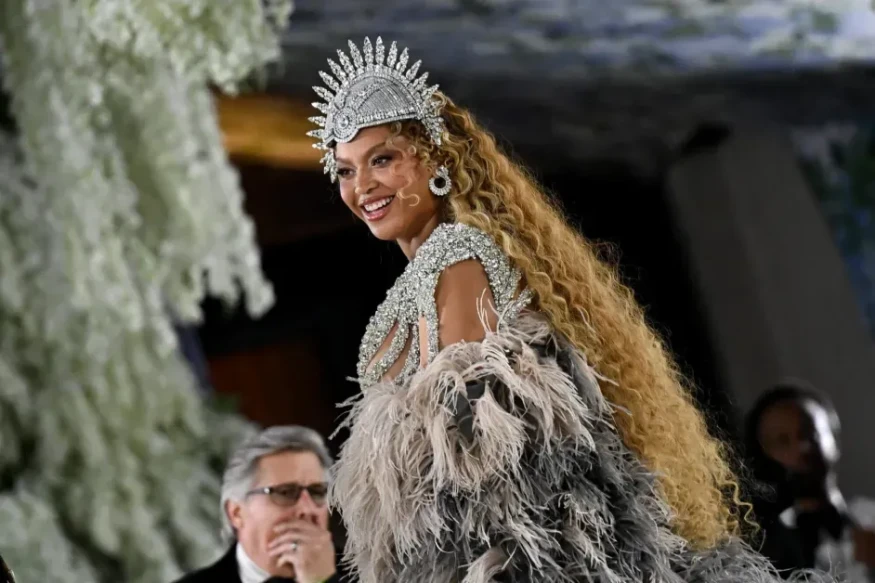
Beyoncé is stepping into Colombia’s earthquake relief effort with a $1 million personal donation aimed at helping communities hit hardest in Chocó. Announced through Parkwood Entertainment, the money will support urgent food and housing needs as Karol G, Shakira and other major music stars join a fast-growing wave of support for families affected by the devastating August 10 earthquake.
Beyoncé has pledged $1 million to support communities in Colombia that were hit hardest by the powerful earthquake in Chocó, adding one of the biggest international celebrity donations to the relief effort so far. The money, announced through Parkwood Entertainment, is expected to help cover urgent food and housing needs in areas where homes, roads and basic services have been badly affected. The announcement comes as Colombia’s music community, led by figures including Karol G and Shakira, has already moved quickly to raise money, support local organizations and keep public attention on the people dealing with the disaster.
The donation follows the 7.4 magnitude earthquake that struck on August 10 and caused serious damage across parts of Chocó. Parkwood has not yet shared a detailed breakdown showing how the full $1 million will be divided between individual organizations, but the purpose of the contribution is clear. The focus is immediate support rather than a long-term rebuilding project, with food and temporary housing at the center of the response. That makes Beyoncé’s contribution different from some of the other high-profile efforts already announced, even though all of them are part of the same wider push to help communities recover.
What makes the timing especially important is how quickly the entertainment world has become involved. Colombia has seen major artists use their platforms not only to post messages of support but also to move money, organize events and connect fans with relief work on the ground. Beyoncé now joins that wave from outside Colombia’s own music scene. Her donation does not come with a personal story about the country or a major public campaign built around her name. Instead, the message is practical: funds are being directed toward basic needs at a moment when many families are still dealing with damaged homes and disrupted daily life.
Karol G has already taken a major role through her Con Cora Foundation, which announced a $1.2 million contribution for people affected by the earthquake. The effort was presented during the benefit concert Colombia: Voces por la Vida in Bogotá, a large event that brought together more than 30 artists. Maluma, Eladio Carrión and Grupo Niche were among the performers involved. According to figures released after the event, the concert raised more than 11 billion Colombian pesos, or about $3.6 million. It was a very different kind of response from Beyoncé’s direct donation, combining local star power, live music, fundraising and close links with communities inside Colombia.
Shakira is also part of the growing relief effort, although the details of her involvement are different and need to be described carefully. A $1.25 million commitment linked to rebuilding schools in Chocó is part of a joint initiative involving Global Citizen, Live Nation and CAF. It is not a case of Shakira personally donating the full amount herself. Her Pies Descalzos Foundation is expected to play an important part in carrying out the project. The distinction matters because it shows how varied the music industry’s response has become. Some projects are built around personal donations, while others depend on partnerships, foundations and long-term rebuilding plans.
Beyoncé’s $1 million donation fits into that bigger picture as a separate form of help with a more immediate target. Unlike Karol G or Shakira, she does not have the same direct cultural or personal connection to Colombia, which gives the move another layer of interest. Her involvement shows how far the story has traveled beyond the country’s own entertainment industry. This is not being presented as a celebrity moment designed around Beyoncé herself. The focus remains on the emergency and on the communities that need food, shelter and basic support while local recovery work continues.
Parkwood Entertainment also pointed people toward Food For The Poor and World Central Kitchen, two organizations involved in relief work. That does not mean the full $1 million will be split only between those two groups, and no public announcement has confirmed an exact distribution. Still, their inclusion gives a clear idea of the kind of response being supported. In the first stage after a major natural disaster, the most urgent work is often less about large rebuilding plans and more about keeping people fed, finding safe places for families to stay and restoring some sense of normal daily life.
Chocó has also become the center of a much broader campaign that reaches beyond music. The Marea Viva por el Chocó del Mañana initiative has brought together singers, athletes and other public figures in support of the region. Juanes, James Rodríguez, Mariana Pajón, Rigoberto Urán, David Ospina, Manuel Medrano, Goyo, Juan Luis Guerra, Alejandro Sanz and Nicky Jam are among the names connected to the campaign. That wide mix of personalities has helped keep the disaster visible at a time when international attention can move on quickly once the first days of breaking news are over.
For Beyoncé, the story does not need a long look back at every charitable project she has supported in the past. The size, timing and purpose of this donation are enough to make it significant on their own. A $1 million commitment aimed at urgent needs arrives while other artists are building separate forms of support around the same crisis. It also adds another major global name to a relief effort that has already become one of the strongest examples in recent days of music stars turning public influence into real-world action.
There is also a clear contrast in how these artists are helping. Karol G is working through her own foundation and through a benefit event closely tied to Colombia’s music community. Shakira is involved in a partnership focused on school reconstruction and a longer recovery period. Beyoncé is directing a personal donation toward immediate food and housing needs. None of these models is the same, and that is part of what gives the overall response more weight. The support is not coming from one campaign or one celebrity-led idea. It is arriving through several channels at the same time.
That matters because disaster recovery rarely follows one simple timeline. Families need food and safe shelter right away, but damaged schools, roads and public services may take much longer to repair. Large concerts can raise money quickly, foundations can build organized programs, and direct donations can help relief groups respond to urgent shortages. In Chocó, those different approaches are now happening side by side. The result is a support network that feels broader than a short celebrity reaction and more connected to the different stages of recovery that communities will face in the coming weeks and months.
Beyoncé’s announcement has also been noticeably low-key. Parkwood shared the essential information, explained the intended purpose of the money and directed attention toward groups already working on relief. There was no oversized celebrity campaign, no attempt to turn the contribution into a dramatic personal statement and no suggestion that one donation could solve a crisis of this size. The simple approach makes the action feel more focused on what people need now, especially in areas where housing damage and access to basic supplies remain serious concerns.
The broader music response is continuing to grow as well. Karol G, Shakira and dozens of other artists and public figures are supporting different parts of the recovery, while benefit events and campaigns are keeping Chocó in the public conversation. Beyoncé’s $1 million adds another layer to that effort and brings more international attention to the situation. The most important development from here will be how these separate projects continue as Colombia moves beyond emergency relief and into the slower work of rebuilding homes, schools, roads and everyday life across the communities most affected.