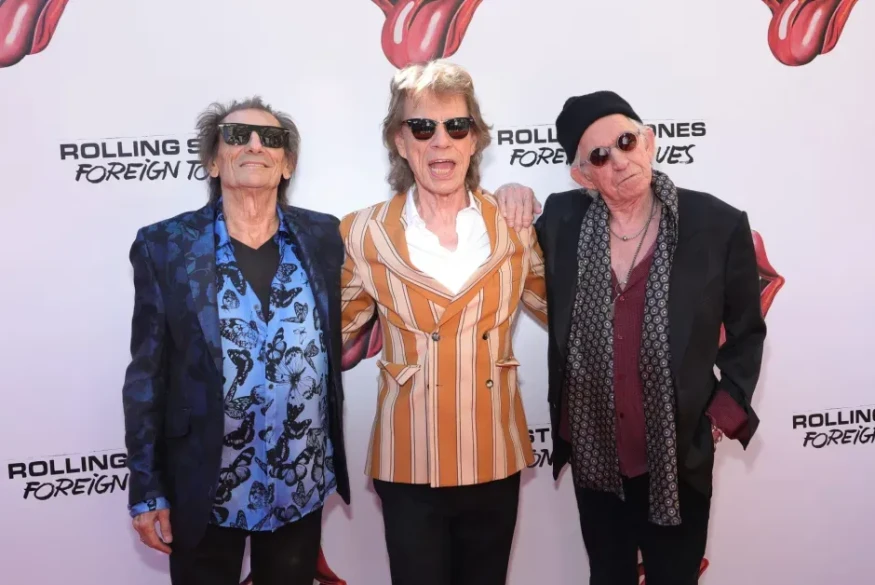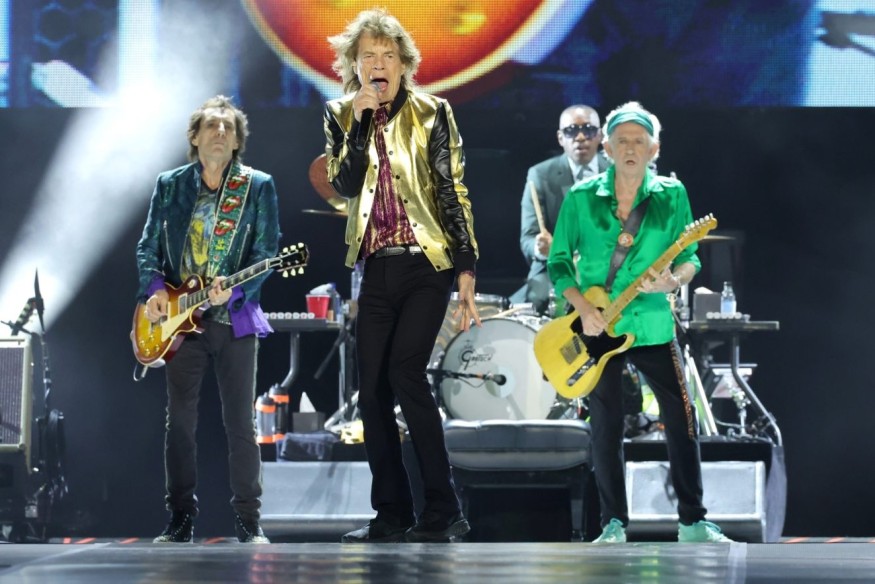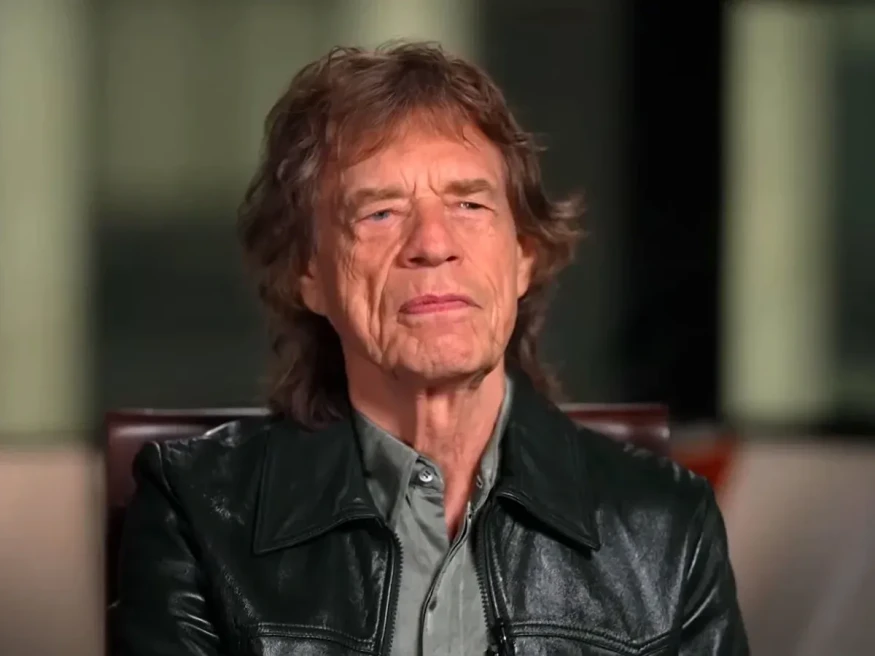
Mick Jagger already knows one thing about a possible Rolling Stones biopic: he doesn't want a major Hollywood star playing him. The legendary frontman believes an unknown young actor would better capture the uncertainty, ambition and raw energy of the band's earliest years, long before the Rolling Stones became one of the biggest names in rock history.
The idea of a Rolling Stones biopic has yet to officially move into production, but Mick Jagger has already formed a clear vision of how he believes the story should be told. Rather than focusing on recreating the larger-than-life image that has defined him for decades, the Rolling Stones frontman wants any future film to return to the years before worldwide fame arrived. More importantly, he believes the actor portraying him should not be a household name. In Jagger's view, authenticity matters far more than celebrity, especially when the story being told is one of uncertainty, ambition and discovery rather than established legend.
His comments arrive at a time when music biopics continue to dominate Hollywood's attention. Recent years have seen audiences embrace films based on iconic musicians, with productions centred on artists ranging from Bob Dylan and Bruce Springsteen to Elvis Presley, Freddie Mercury and the Beatles. These projects have proven both critically successful and commercially powerful, encouraging studios to explore more stories from the history of popular music. Yet Jagger believes the Rolling Stones deserve an approach that differs from the increasingly familiar formula. Instead of building a film around the mythology that followed success, he argues that the most compelling chapter remains the one before anyone knew what the band would eventually become.
For Jagger, the emotional heart of the story lies in the earliest days of the Rolling Stones. Long before stadium tours, platinum records and global recognition, there were young musicians trying to find their place within Britain's rapidly evolving rhythm and blues scene. They played small clubs rather than enormous arenas, wrote songs without knowing whether anyone would hear them and made decisions driven more by instinct than by long-term strategy. According to Jagger, those formative years contain the drama, vulnerability and excitement that often disappear once a band has already become an institution. Capturing that period honestly, he suggests, is far more important than recreating famous concerts or iconic performances that audiences already know by heart.
That philosophy naturally shapes his thinking about casting. Jagger believes an established Hollywood actor inevitably brings their own public identity into a performance, making it more difficult for audiences to fully believe they are watching a young Mick Jagger rather than a famous performer playing dress-up. A relatively unknown actor, on the other hand, would arrive without those expectations. The audience could discover the character as they discover the performer, mirroring the experience of watching a young musician gradually become one of rock's defining figures. For Jagger, authenticity is not simply about appearance or vocal imitation; it is about conveying the uncertainty of someone whose future has not yet been written.
His perspective stands in contrast to many recent music biopics that have relied on major stars to headline productions. Casting well-known actors often provides an obvious commercial advantage, generating publicity long before a film reaches cinemas. It also reassures studios investing substantial budgets in projects built around internationally recognised artists. Jagger, however, appears less interested in commercial safety than in preserving the illusion that audiences are witnessing real lives unfolding naturally. If viewers spend the entire film recognising the actor instead of becoming immersed in the character, part of the emotional connection risks being lost. In his opinion, the story itself should create the star, rather than the star carrying the story.
His comments also suggest that a Rolling Stones biopic should resist the temptation to compress more than six decades of history into a single narrative. The band's career stretches across countless albums, tours, personal tragedies, creative reinventions and cultural milestones. Attempting to include everything could leave little room for emotional depth. Instead, Jagger appears drawn to a more focused approach, concentrating on the years when the band's identity was still being shaped. That period includes the friendships, creative partnerships and defining decisions that transformed an ambitious young British group into one of the most influential rock bands ever assembled. Rather than functioning as a chronological summary, the film could resemble a coming-of-age drama built around artistic discovery.
From a broader perspective, Jagger's vision reflects an increasingly important conversation surrounding modern music biopics. Audiences today often know the endings before the films even begin. They already understand which songs became classics, which albums topped the charts and which performances entered popular culture. What remains less familiar are the quieter moments that came before success: the doubts, failed auditions, uncertain rehearsals and personal sacrifices that rarely make headlines. Those experiences frequently provide the strongest emotional foundation for cinematic storytelling. In that sense, Jagger seems more interested in exploring humanity than preserving mythology.
The Rolling Stones themselves have always represented more than a collection of hit songs. Their story is one of endurance, creative tension, reinvention and an extraordinary partnership that has survived generations of change within both music and popular culture. Any attempt to translate that journey to the screen inevitably faces enormous expectations. Yet Jagger's comments suggest he would rather see audiences experience the uncertainty of the beginning than revisit the certainty of the legend. Before the sold-out stadiums, before the global fame and before becoming cultural icons, there were simply young musicians chasing an opportunity they could barely imagine. For Mick Jagger, that is the story worth telling—and it deserves a face that audiences have not already learned to recognise.