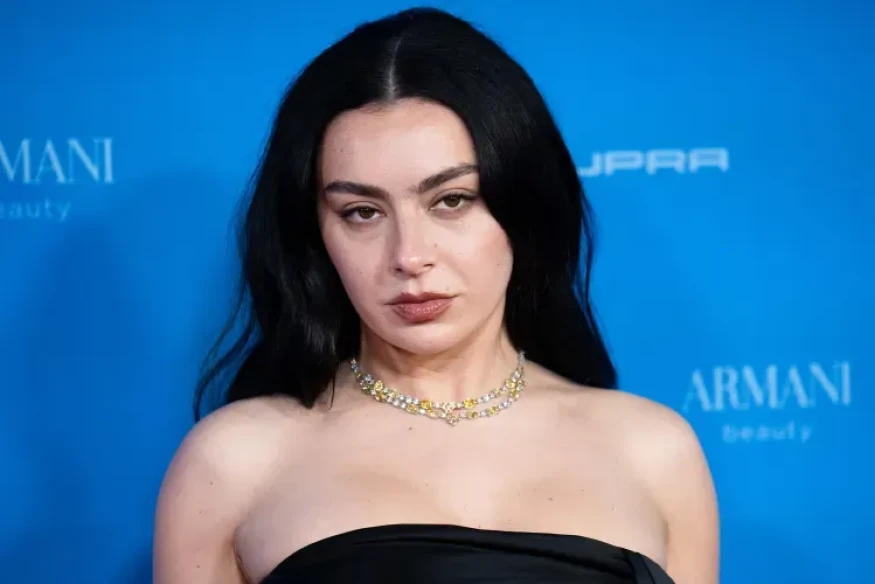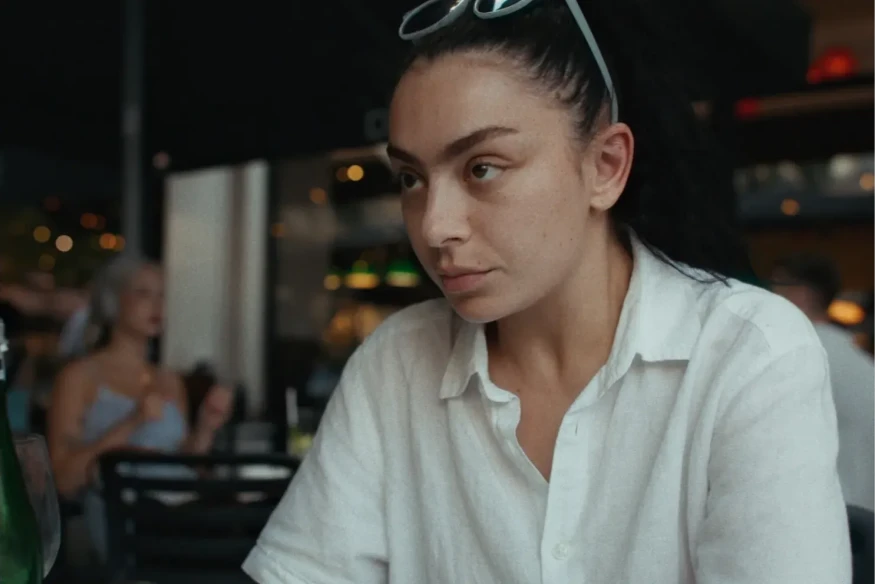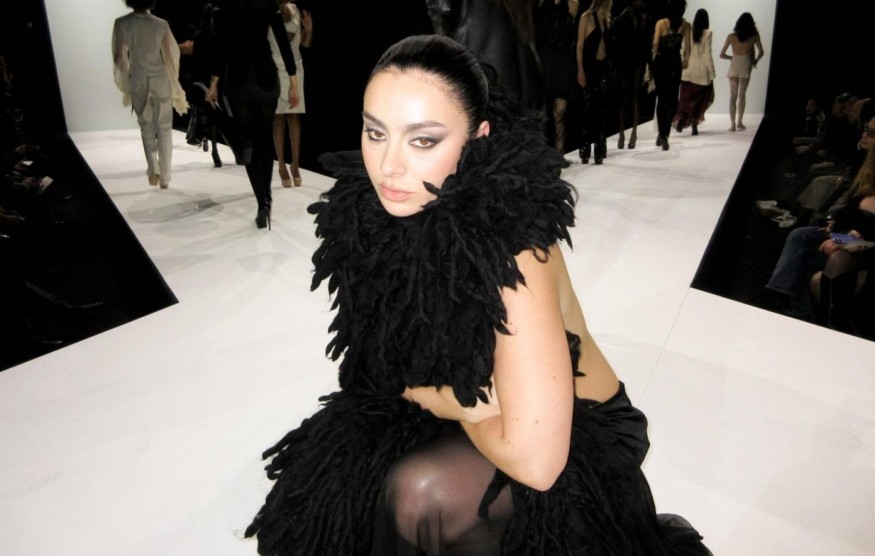
Charli XCX has spoken candidly about growing up with both Scottish and Indian heritage, revealing how feeling caught between two cultures shaped her identity from an early age. Ahead of the release of her new album Music, Fashion, Film, the British artist also explained why she never made her background a central part of her public image and clarified the meaning behind one of the record's most discussed songs.
For much of her career, Charli XCX has allowed her music to take centre stage rather than her personal story. While many contemporary pop stars increasingly incorporate their backgrounds and identities into their public narratives, she has largely avoided presenting her mixed heritage as a defining characteristic of her artistic persona. That decision, however, was never about rejecting her family history. Instead, as she recently explained, it reflected a personal belief that identity is something to be lived rather than marketed. Speaking openly about her upbringing, Charli described the experience of growing up between two cultures as both enriching and emotionally complex, shaping the way she understood herself long before she became one of pop's most innovative voices.
Born to a Scottish father and an Indian mother, the singer recalled that childhood often came with a subtle but persistent feeling of existing between different worlds. Family gatherings connected to her mother's side introduced her to traditions and experiences she deeply valued, yet she sometimes felt she was not fully part of that community. At the same time, life at school brought a different kind of distance, where she also sensed that she stood apart from many of her classmates. Rather than pointing to one defining event, she described a gradual awareness that belonging was rarely straightforward. It was an experience that quietly influenced her confidence, her outlook and, ultimately, the person she would become.
Charli suggested that this feeling is familiar to many people who grow up with mixed cultural backgrounds. Identity, she explained, is often less about choosing one heritage over another and more about accepting that both are equally valid parts of the same story. Reaching that understanding was not immediate. Like many young people navigating multiple cultural influences, she spent years trying to understand where she truly belonged before recognising that she did not need to fit neatly into a single category. That acceptance became an important part of her personal growth, allowing her to embrace the complexity of her background without feeling pressured to simplify it for others.
The conversation naturally turned to why she has rarely spoken publicly about her Indian heritage throughout her career. Charli's answer was notably straightforward. She never felt the need to make it a defining feature of her brand simply because it would not have reflected who she genuinely is. While acknowledging that many public figures understandably choose to highlight their heritage as part of their identity, she explained that she never wanted to present such an important aspect of her life as a promotional tool. Her background, she said, belongs to her personal story first and foremost. When she discusses it, she prefers it to happen organically rather than as part of a carefully constructed public narrative.
Those reflections also provide important context for one of the most talked-about songs from her upcoming album, Music, Fashion, Film. Fans have spent weeks analysing the lyrics of "SS26", with some interpreting certain lines as commentary on politics or broader cultural debates. Charli, however, offered a different explanation. According to her, the song is primarily concerned with the pressures of modern celebrity and the increasingly complicated relationship between authenticity and public expectation. Rather than addressing global political issues directly, the track explores how artists navigate an era in which every public statement, every opinion and every aspect of personal identity can quickly become part of an online conversation.
She argued that musicians today operate under constant pressure to present the perfect version of themselves. Social media has created an environment where audiences often expect public figures to express flawless opinions on every subject while simultaneously remaining entertaining, relatable and authentic. In that climate, even deeply personal experiences can become part of an artist's public image, sometimes in ways that feel performative rather than genuine. The lyric referencing her heritage, she explained, reflects that tension. It questions whether personal identity should ever become a strategic branding exercise rather than simply an honest part of someone's life.
The timing of these comments is particularly significant as Charli prepares to release Music, Fashion, Film, one of the year's most anticipated pop albums. Expectations surrounding the project are exceptionally high following the enormous critical and commercial success of Brat, which further established her reputation as one of pop's most adventurous creative voices. While the new record promises another bold musical evolution, it also appears to reveal a more reflective side of the artist. By discussing experiences she previously kept largely private, Charli offers audiences a deeper understanding of the perspectives that have shaped both her creativity and her personal outlook.
Rather than reinventing her image, these conversations suggest an artist who feels increasingly comfortable allowing different aspects of her life to coexist without forcing them into a single narrative. Her heritage remains an important part of who she is, but not something she believes requires constant explanation or public display. Instead, she continues to let her work speak first, trusting that audiences can appreciate the complexity behind the music without reducing her identity to a single label. As Music, Fashion, Film approaches its release, Charli XCX appears less interested in redefining herself than in presenting a fuller picture of the person behind one of modern pop's most distinctive artistic voices.