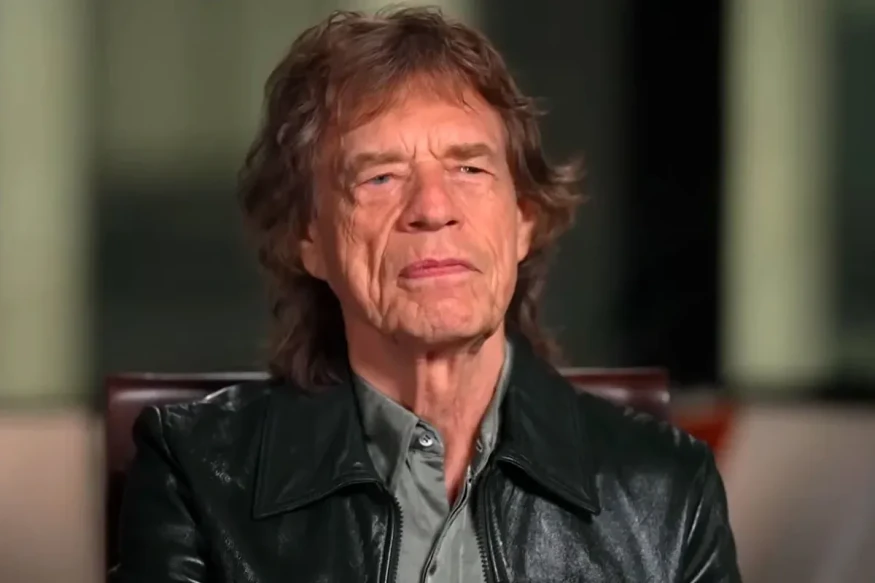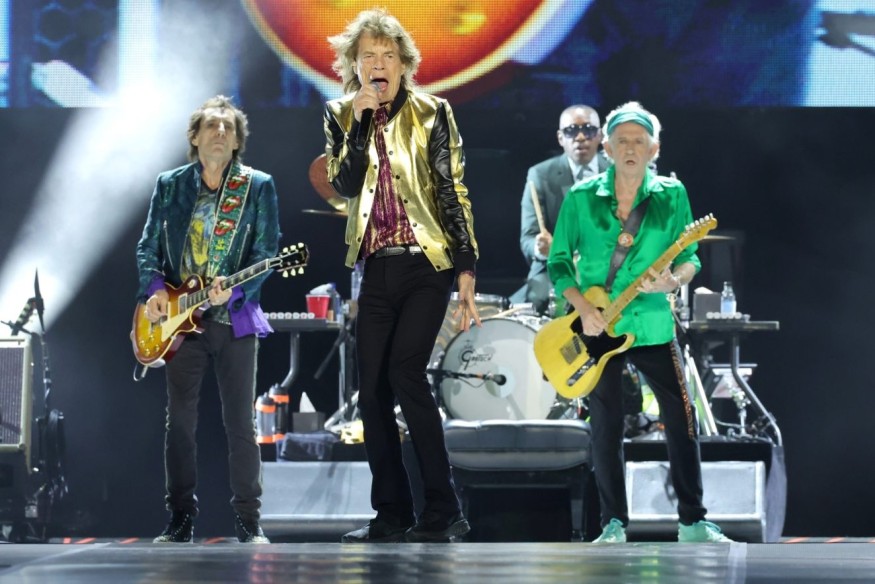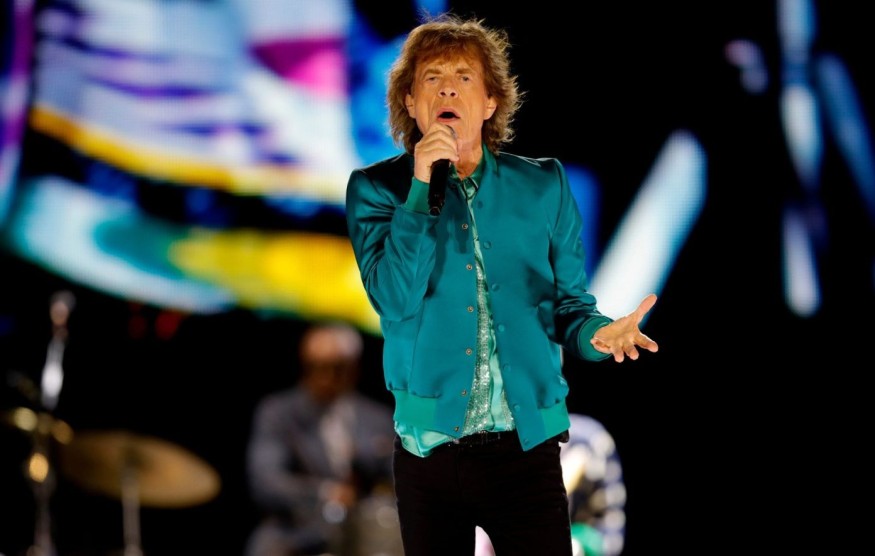
Mick Jagger has revisited more than six decades of Rolling Stones history, revealing which albums remain closest to his heart as the band prepares to release its upcoming record, Foreign Tongues. Reflecting on classic releases, favorite songs and the future of the legendary group, the iconic frontman offered a rare glimpse into how he views the creative milestones that shaped one of the most influential rock bands of all time.
When a band has existed for more than sixty years, choosing a handful of defining records becomes an almost impossible task. The Rolling Stones have built a catalog that spans generations, musical movements and cultural eras, creating a body of work that continues to influence artists across the globe. Yet Mick Jagger recently accepted the challenge of looking back at the albums that have left the deepest impression on him personally.
The conversation comes as anticipation continues to build around Foreign Tongues, the band's upcoming studio album and the follow-up to the hugely successful Hackney Diamonds. While promoting the new project, Jagger was asked a question that Rolling Stones fans have debated for decades: what is the greatest Rolling Stones album ever made?
Rather than naming a single record, the singer chose three albums that immediately came to mind. His selections were Beggars Banquet, Sticky Fingers and Hackney Diamonds. The choices are particularly revealing because they represent three completely different chapters in the band's history, spanning more than half a century of music.
Released in 1968, Beggars Banquet is widely regarded as one of the most important albums in rock history. It arrived during a period of creative reinvention for the band, helping establish a sound that blended blues, folk and rock influences in a way that felt both traditional and revolutionary. Songs from the album remain staples of the Rolling Stones legacy and continue to be celebrated by critics and fans alike.
For many listeners, the record marked the moment when the band fully embraced its identity. While earlier releases hinted at their potential, Beggars Banquet showcased a level of confidence and artistic ambition that would define the next phase of their career. It also produced some of the most enduring songs in the group's catalog, helping solidify their place among rock's elite.
Jagger's second choice, Sticky Fingers, is often considered the definitive Rolling Stones album. Released in 1971, it captured the band at a creative peak and delivered some of their most iconic recordings. Combining swagger, vulnerability, blues influences and unforgettable songwriting, the album remains one of the most celebrated releases in rock music history.
More than fifty years later, Sticky Fingers continues to resonate with audiences because of its authenticity and musical diversity. From hard-driving rock tracks to emotional ballads, the record showcased a band operating at the height of its powers. It is perhaps unsurprising that Jagger still considers it one of the strongest achievements of his career.
The most intriguing selection, however, may be Hackney Diamonds. Released decades after the group's classic era, the album surprised many listeners by proving that the Rolling Stones still possessed the energy and creativity that made them legends. Critics praised its vitality, while fans embraced it as evidence that the band remained artistically relevant well into its seventh decade.
By placing Hackney Diamonds alongside universally acclaimed classics like Beggars Banquet and Sticky Fingers, Jagger sends a clear message. He does not view the modern era of the Rolling Stones as a nostalgic epilogue. Instead, he sees it as an important continuation of the band's story, one that deserves recognition alongside its most celebrated chapters.
During the discussion, Jagger also reflected on how different the music industry was when many of the band's early records were released. Looking back at some of those albums, he noted with amusement that several contained only eight songs. In today's streaming era, where albums often exceed an hour in length, such brevity feels almost unimaginable.
The comment serves as a reminder of how dramatically the industry has evolved over the decades. Albums once functioned as concise artistic statements, often constrained by the physical limitations of vinyl. Today, artists operate in a completely different environment, where streaming platforms have transformed listening habits and expectations.
Choosing favorite songs proved even more difficult than selecting favorite albums. With hundreds of compositions spanning more than six decades, Jagger admitted that narrowing the list was nearly impossible. Nevertheless, he highlighted several tracks that he believes represent different sides of the Rolling Stones' identity.
Among the songs he mentioned were "Sympathy for the Devil," "Start Me Up," "Angie" and "Honky Tonk Women." Each of these recordings reflects a distinct era and creative approach. Together, they illustrate the remarkable versatility that has allowed the band to remain relevant across multiple generations.
"Sympathy for the Devil" captures the band's darker and more experimental side, while "Angie" reveals a softer emotional depth that many listeners still connect with today. "Start Me Up" represents the arena-sized energy that helped define the Stones during the 1980s, while "Honky Tonk Women" remains one of the most recognizable rock singles ever recorded.
Perhaps the most remarkable aspect of the interview was not Jagger's reflection on the past but his enthusiasm for the future. Approaching his eighty-third birthday, the singer made it clear that his creative ambitions remain intact. He continues to write, develop ideas and think about new music, showing little interest in slowing down.
That attitude has been one of the defining characteristics of his career. While many artists from his generation have long since retired, Jagger continues to approach music with curiosity and excitement. His willingness to keep creating helps explain why the Rolling Stones remain active while many of their contemporaries exist primarily as legacy acts.
The upcoming release of Foreign Tongues represents another chapter in that ongoing story. Expectations surrounding the album are already significant, fueled by the success of Hackney Diamonds and renewed interest in the band's future. For longtime fans, every new Rolling Stones release serves as proof that one of rock music's greatest institutions remains creatively engaged.
Live performances remain another major topic of discussion. Jagger acknowledged that returning to the stage remains important to him and suggested that future touring plans are still being considered. While he indicated that no major tour is expected this year, he left the door open for possible live dates in 2027.
The comments are particularly noteworthy because speculation surrounding another Rolling Stones tour has been circulating for months. Rumors of European stadium shows and major international appearances have repeatedly surfaced, although nothing has been officially confirmed. Jagger's continued enthusiasm for performing suggests that the band's live story may not be finished yet.
For a group that has spent more than sixty years redefining what longevity means in rock music, perhaps that should come as no surprise. As Foreign Tongues approaches and new creative opportunities emerge, Mick Jagger appears less interested in celebrating the past than in continuing to build upon it.