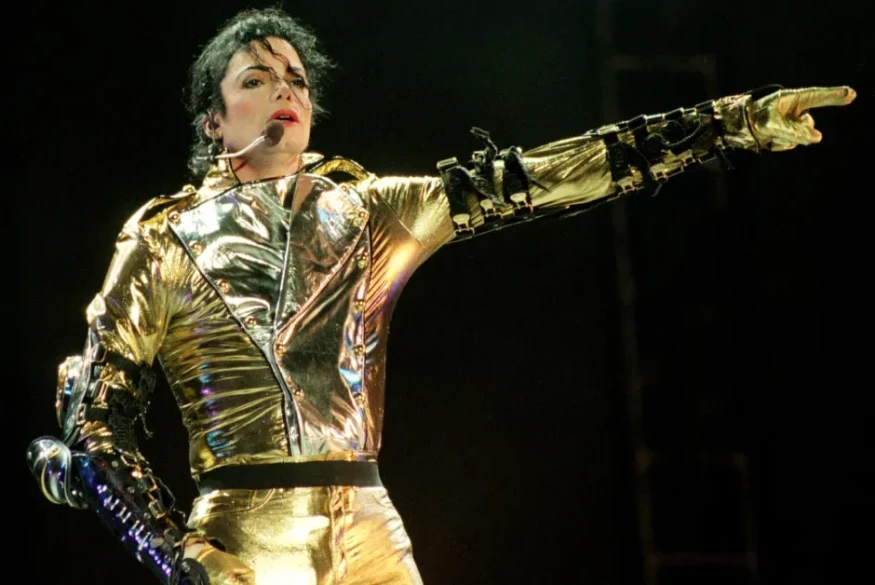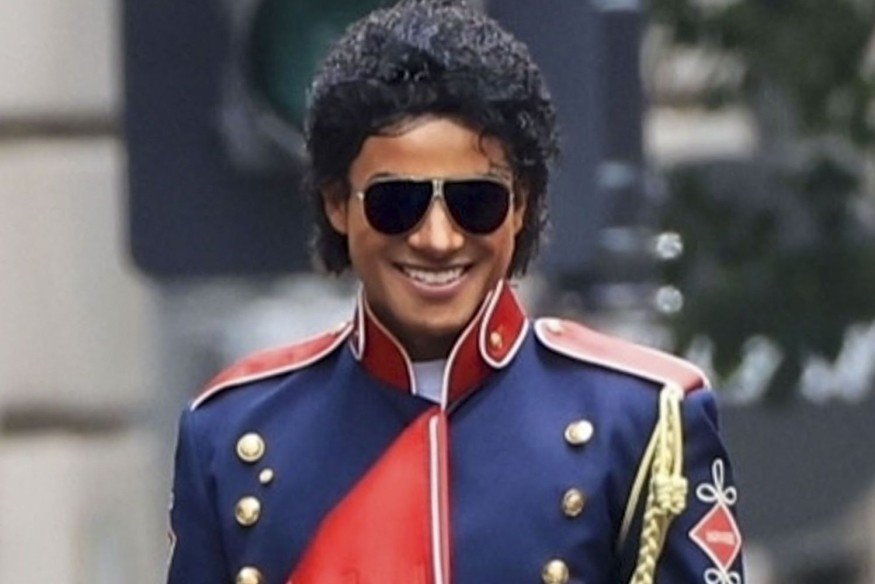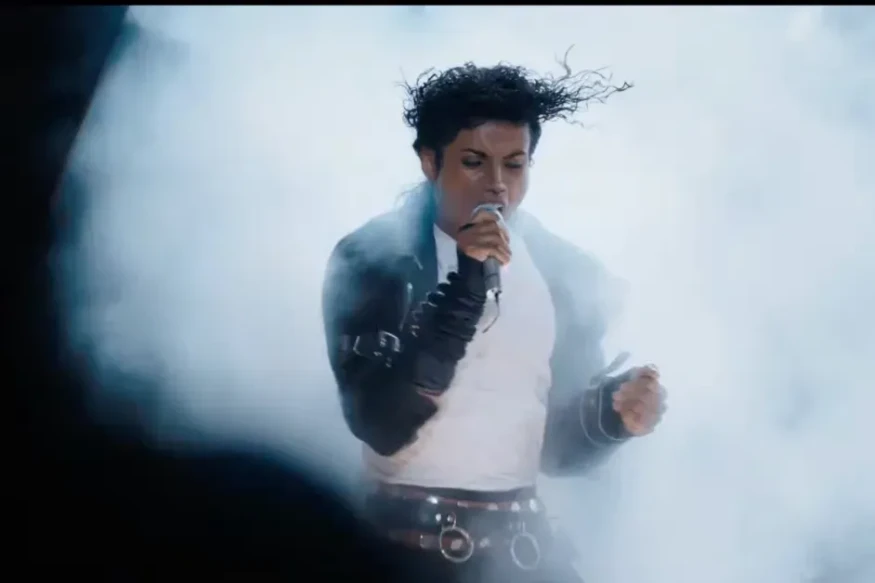
Michael Jackson has officially returned to the top of the Billboard Artist 100 nearly 17 years after his death, proving once again that his music and cultural influence remain more powerful than ever. The massive success of the biographical film “Michael” reignited global interest around the King of Pop, driving huge streaming numbers, exploding album sales and pushing some of his biggest classics back onto the charts across America. Nearly two decades later, the United States seems to be reliving the Michael Jackson era through songs that never truly disappeared from popular culture.
Almost seventeen years after his passing in 2009, Michael Jackson once again stands at the center of the global music industry. His rise to No.1 on the Billboard Artist 100 is not simply another statistical achievement. It represents a major cultural moment that confirms how deeply his music still resonates even in an era dominated by entirely different generations of artists and streaming-driven trends.
The catalyst behind this enormous comeback was the global success of the film “Michael,” which quickly evolved into one of the biggest cinematic events of the year. The movie not only brought renewed attention to the life and career of Michael Jackson, but also introduced his catalog to a younger generation discovering his music on an entirely new scale.
The numbers recorded across the United States over the past few weeks resemble the type of dominance Michael Jackson once held during the peak of his career. His catalog generated more than 161 million official streams in a single week, placing him among the biggest active artists in America despite the fact that he has not released new material in years.
What makes the achievement even more remarkable is that Michael Jackson’s return is not connected to a brand-new album or previously unreleased project. The comeback is driven almost entirely by songs that already became part of music history decades ago.
Tracks such as “Billie Jean,” “Human Nature,” “Beat It,” “Rock With You” and “Don’t Stop ’Til You Get Enough” all surged back onto major charts, proving once again how timeless his catalog remains even inside today’s streaming ecosystem.
The impact became especially visible with “Billie Jean,” which returned to No.1 on the Billboard Global 200, transforming a song released more than forty years ago into one of the biggest tracks in the world once again. Few chart comebacks in modern music history have reached this level of cultural visibility.
At the same time, six different Michael Jackson albums re-entered the Billboard 200 simultaneously. “Thriller,” “Number Ones,” “Off the Wall,” “Dangerous,” “Xscape” and “The Essential Michael Jackson” all returned to the rankings, demonstrating how deeply connected audiences still remain to his music across multiple generations.
Radio also played a major role in the resurgence. Michael Jackson’s songs accumulated tens of millions of radio impressions in just one week, outperforming many contemporary artists currently promoting new releases.
The film “Michael” appears to have functioned as a massive cultural reminder of his influence. For many younger listeners, this may have been the first time they experienced the scale of Michael Jackson’s artistry beyond isolated viral clips, dance videos or historic performances circulating online.
For older audiences who grew up during his peak years, however, the success of the film created something closer to emotional time travel. The renewed popularity of his music revived memories of an era when Michael Jackson dominated television, radio, magazines and charts in a way almost no modern pop artist has fully replicated.
This latest surge feels less like nostalgia and more like a full-scale cultural return.
The achievement becomes even more historic considering Michael Jackson is now only the sixth artist ever to reach No.1 on the Billboard Artist 100 posthumously. The short list includes names such as David Bowie, Prince, Juice WRLD, XXXTentacion and Pop Smoke.
Even as the modern music industry moves faster than ever and trends shift almost weekly, Michael Jackson’s position seems to exist outside the normal cycle of popularity. His music continues to operate as a permanent reference point for pop culture itself.
Many contemporary artists still openly borrow from his choreography, stage design, visual storytelling, music videos and approach to performance. Elements of Michael Jackson’s artistic DNA remain deeply embedded in the structure of modern pop music.
The current resurgence also highlights the emotional connection audiences continue to maintain with the King of Pop. The success is not simply about streams or sales. It reflects the way his music continues to move from generation to generation almost organically, becoming part of collective memory regardless of age.
The extraordinary streaming increase nearly seventeen years after his death proves that Michael Jackson is still viewed by millions not merely as a legendary artist from the past, but as a continuing cultural force whose influence remains active inside the modern entertainment industry.
The success of “Michael” has also reignited larger conversations surrounding his artistic legacy, his place in music history and the immense impact he continues to have on modern pop culture worldwide.
Somewhere between “Billie Jean,” “Human Nature” and “Rock With You,” America appears to have remembered once again why Michael Jackson was never simply another successful pop singer. He became a global cultural phenomenon whose music still possesses the rare ability to reshape charts, dominate public conversation and reconnect entire generations through a catalog that continues to feel timeless.