Spotify is marking its 20th anniversary by revealing, for the first time, the most streamed artists, songs, and albums of all time. The data offers a clear look at what people have truly been listening to, turning Spotify into a map of modern music history shaped by real audience choices.
Spotify is opening a new chapter in how music history is understood, using its 20th anniversary to present something that had never been fully shared before. By revealing the most streamed artists, songs, and albums of all time, Spotify is not just celebrating a milestone. It is offering a detailed view of how global listening habits have evolved since the platform first launched. The numbers behind Spotify tell a story that reflects two decades of constant change.
What makes this moment stand out is the scale of the data. Spotify is not focusing on a specific year or trend. Instead, it is presenting a full picture that stretches from 2006 to today. Through this, Spotify highlights how different eras of music overlap, creating a space where past and present exist together. The platform becomes more than a streaming service. It turns into a record of what people have chosen to hear over time.
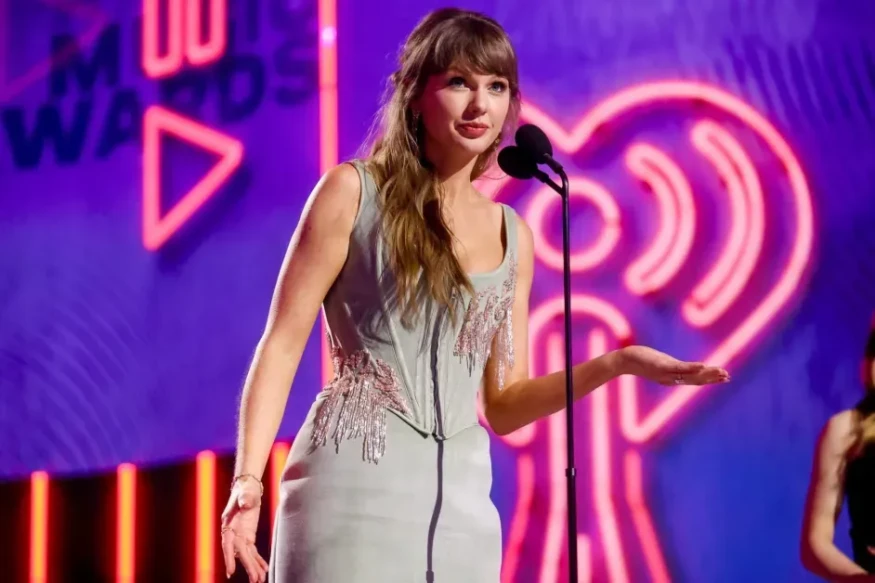
At the top of the most streamed artists list, Taylor Swift takes the lead. Her position reflects not only recent success but also a consistent presence across years. Spotify shows how Taylor Swift has maintained a strong connection with listeners, adapting while keeping her audience engaged. Alongside her, names like Bad Bunny and Drake confirm their impact on the streaming era. These artists have defined how music moves in a digital environment.
The presence of these artists is not unexpected. Spotify’s data reinforces the idea that long-term success depends on consistency and visibility. Artists who remain active, release regularly, and stay connected with their audience are the ones who dominate. Spotify’s charts are built on actual listening behavior, making them a direct reflection of audience engagement.
In the albums category, Bad Bunny’s “Un Verano Sin Ti” stands at the top. This result highlights the influence of Latin music, which has expanded significantly in recent years. Spotify captures this shift clearly, showing how global audiences are embracing sounds that were once considered more regional. The album represents more than a hit. It reflects a broader movement within music.
The Weeknd appears prominently with both “Starboy” and “After Hours,” reinforcing his steady presence. Spotify’s data shows how certain artists manage to create work that continues to attract listeners over time. These albums are not only popular at release. They remain active in playlists, proving their lasting appeal.
Younger artists also play a key role in shaping the lists. Olivia Rodrigo’s “Sour” and Billie Eilish’s releases demonstrate how quickly new voices can establish themselves. Spotify shows that the gap between emerging and established artists is becoming less defined. Strong connection with the audience can accelerate recognition in a way that was not possible before streaming.
In the songs category, “Blinding Lights” by The Weeknd holds the top position. Its success reflects a combination of chart performance and long-term streaming activity. Spotify captures how certain tracks extend beyond their initial release, becoming part of everyday listening habits. Songs like “Shape Of You” by Ed Sheeran and “Sweater Weather” by The Neighbourhood follow closely, each maintaining a strong presence over time.
One of the most interesting elements in Spotify’s data is the presence of older songs. Tracks like Coldplay’s “Yellow” continue to gather streams, even though they were released before the platform existed. This highlights a key aspect of streaming. Spotify is not only about new music. It allows listeners to rediscover older material, giving it a second life.
This mix of past and present defines how music is consumed today. Spotify presents a landscape where timelines are no longer fixed. A song released years ago can gain new popularity, while a recent hit can quickly become a long-term favorite. The platform reflects this fluid movement, where listening is driven by choice rather than release date.
At the same time, Spotify’s influence extends beyond listening. The way music is created has also changed. Artists now consider how songs will perform on streaming platforms. Length, structure, and release strategy are all shaped by this environment. Spotify has become part of the creative process, not just the distribution channel.
The announcement also comes during a period where Spotify remains part of a wider discussion about the music industry. While it provides access and exposure, it also faces criticism regarding how revenue is distributed. These conversations continue to shape how the platform is viewed by both artists and listeners.
Despite this, the data itself remains a valuable tool. Spotify offers a direct look at audience behavior, something that traditional charts could not fully capture. The lists are based on real choices made by millions of users, creating a more immediate picture of popularity.
Looking at the full rankings, a pattern becomes clear. Artists who dominate are those who maintain a steady presence across years. Albums that stay relevant are those that continue to be revisited. Songs that rise to the top are those that move beyond trends and become part of everyday listening.
Spotify, through this release, is not simply presenting statistics. It is outlining a narrative that continues to evolve. Each stream adds to that story, reflecting how people engage with music in real time. The platform becomes a space where cultural shifts are recorded through listening habits.
As Spotify marks its 20th anniversary, the lists serve as both a celebration and a reflection. They show how far the platform has come, while also pointing to how music consumption continues to change. The story is not fixed. It is still being written with every play.