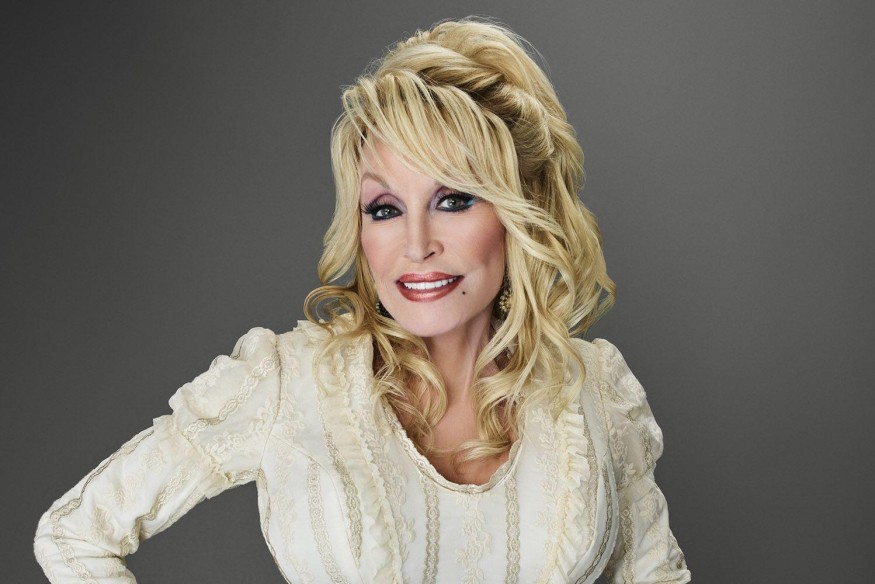
Dolly Parton has died at 80, leaving behind a career that cannot be contained by a single genre or profession. She was a country singer, songwriter, pop crossover star, actress, entrepreneur and philanthropist, but her greatest achievement may have been remaining unmistakably herself across seven decades of cultural change. From rural Tennessee to global fame, Parton built one of the most enduring careers in American music.
Dolly Parton died in Nashville on Tuesday, August 25, at the age of 80, bringing to an end one of the longest and most distinctive careers in American popular culture. In recent months, she had significantly reduced her public appearances because of health problems that had not been fully detailed publicly. Her family said a small private service would be held for close relatives and asked those wishing to honor her memory to support the Imagination Library, the literacy program that became one of the most important parts of her life outside music.
Her death comes 17 months after that of Carl Dean, her husband of nearly six decades, who died in March 2025. Their marriage reflected an important part of the way Parton handled fame. Few entertainers were more publicly recognizable, yet she maintained clear boundaries around the parts of her life she wanted to protect. She could turn her appearance, personality and humor into material for interviews and television while keeping much of her marriage away from the entertainment industry.
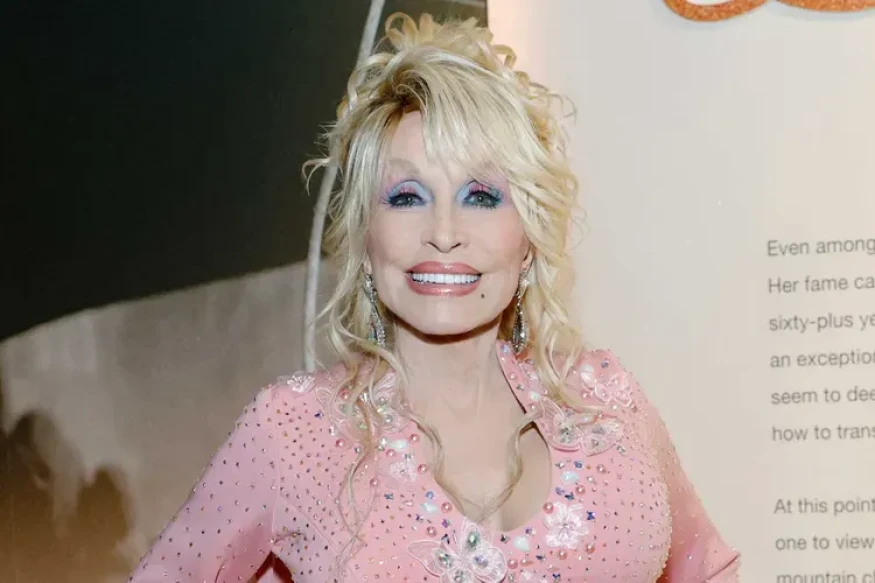
That ability to control her own image was central to her career. The towering blonde hair, rhinestones, bright clothes and jokes about her appearance were carefully developed parts of a public persona that Parton understood better than almost anyone around her. None of it distracted from the strength of the musician underneath. She was one of Nashville's most important songwriters, a singer capable of vulnerability without weakness and an entertainer who understood that glamour and serious craft did not have to exist in separate worlds.
Parton was born on January 19, 1946, in Sevier County, Tennessee, into a large family with very little money. Her childhood later became one of the richest sources of her songwriting. She began performing young and released her first single, “Puppy Love,” when she was 13. At 18, she moved to Nashville and began writing professionally, initially building her reputation behind the scenes before finding the platform that would make her a national country star.
Her partnership with Porter Wagoner in the late 1960s gave her that opportunity. Appearing on his television program and recording duets with him introduced Parton to a much larger audience, but it soon became clear that she had ambitions beyond being part of someone else's established show. Her songwriting was becoming more personal and distinctive, and songs including “Coat of Many Colors,” “My Tennessee Mountain Home” and “Jolene” established a world built around family, poverty, faith, jealousy and emotional insecurity.
The clarity of those songs was one of her greatest strengths. Parton rarely needed complicated language to create a vivid story. She could use a dress made from scraps of fabric, a woman pleading with a romantic rival or a goodbye between two people to construct something specific enough to feel autobiographical while remaining open enough for millions of listeners to recognize themselves in it.
“I Will Always Love You” became perhaps the most extraordinary example of that skill. Parton wrote the song as she prepared to leave her professional partnership with Wagoner. Her original version reached No. 1 on the country chart, and a new recording returned there in 1982. A decade later, Whitney Houston transformed the song into an enormous international pop hit, giving Parton's composition a second life on a scale few country songs have ever experienced.
The publishing history surrounding the song also revealed Parton's business instincts. Years earlier, Elvis Presley had wanted to record it, but the proposed deal required Parton to give up half of the publishing rights. She refused. The decision was emotionally difficult because she admired Presley and wanted to hear him sing the song, but retaining ownership ultimately became one of the most consequential business choices of her career.
By the end of the 1970s, Parton was already moving beyond the boundaries of country radio. “Here You Come Again” reached the pop Top 10, while “9 to 5” became a No. 1 hit across the Billboard Hot 100, Hot Country Songs and Adult Contemporary charts. “Islands in the Stream,” her duet with Kenny Rogers, later repeated that ability to reach listeners far beyond traditional country audiences.
Hollywood expanded her public identity further. Her role in “9 to 5” made her a major film presence, and performances in movies including “Steel Magnolias” showed that her personality translated easily to the screen. Yet music remained the center of her career. She accumulated 25 No. 1 songs on the country chart and placed dozens of albums in the upper reaches of the country rankings, establishing a level of longevity that few artists in any genre could match.
Parton also understood that longevity required movement. In 1986, she became part of the transformation of Silver Dollar City in Pigeon Forge into Dollywood, creating a major tourism and entertainment business that remained closely tied to East Tennessee. Musically, she could move from commercial country-pop back toward tradition with “Trio,” recorded with Linda Ronstadt and Emmylou Harris, and later explore bluegrass through “The Grass Is Blue.”
Her willingness to move between styles continued late into her life. She recorded country, pop, gospel, children's music and eventually rock without treating any of those genres as a temporary costume. When she was inducted into the Rock & Roll Hall of Fame, Parton initially questioned whether she belonged there because she did not consider herself a rock artist. Her response was characteristically practical: she decided to make a rock album.
“Rockstar,” released in 2023, featured an extraordinary list of collaborators including Paul McCartney, Ringo Starr, Elton John, Sting and Miley Cyrus. The album reached No. 3 on the Billboard 200, the highest position of Parton's career on that chart. At 77, she had turned an honorary moment into another active creative project rather than simply accepting it as recognition for work already completed.
Her legacy outside music became equally substantial. Parton founded the Imagination Library in 1995 after being inspired by her father's inability to read and write. The program grew from a regional literacy initiative into an international organization distributing books to young children. It reflected the way she approached philanthropy throughout her life: ambitious in scale, but connected to something personal and specific.
During the COVID-19 pandemic, Parton donated $1 million to Vanderbilt University Medical Center, supporting research connected to the development of Moderna's vaccine. The gesture became one of the best-known examples of her philanthropy, but it was consistent with decades of giving through educational, medical and community projects.
In her later years, Parton remained connected to younger generations of artists. Miley Cyrus, her goddaughter, represented one of the most personal of those connections, while collaborations and tributes involving newer pop and country stars repeatedly showed how far her influence had traveled. She had become an artist admired not only for individual songs but for the way she had constructed a career without surrendering ownership of her music, personality or public identity.
The death of Carl Dean affected her deeply, and Parton later released “If You Hadn't Been There” as a personal tribute to him. Health problems eventually forced her to reduce appearances and abandon plans for a Las Vegas residency, but she continued working. Among the projects still in development was “Dolly: A True Original Musical,” a stage production inspired by her life and featuring both familiar songs and new music, with Broadway plans for 2027.
Parton's catalog will remain the most obvious part of what survives her, particularly songs such as “Jolene,” “Coat of Many Colors,” “9 to 5” and “I Will Always Love You.” Her broader influence, however, came from the way those songs existed beside everything else she built. She moved between Nashville and Hollywood, music and business, comedy and serious songwriting without allowing one version of Dolly Parton to cancel out another.
Her career began with a girl from rural Tennessee who believed songwriting might offer a path into a much larger world. Seven decades later, those songs had traveled almost everywhere, while the identity behind them remained remarkably recognizable. The music industry changed repeatedly around Dolly Parton, but she never needed to become less herself in order to remain part of it.