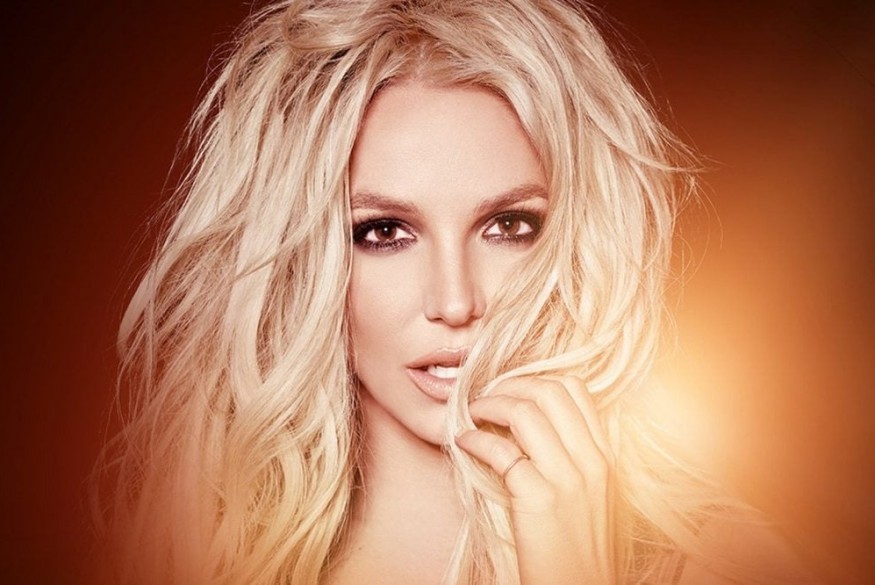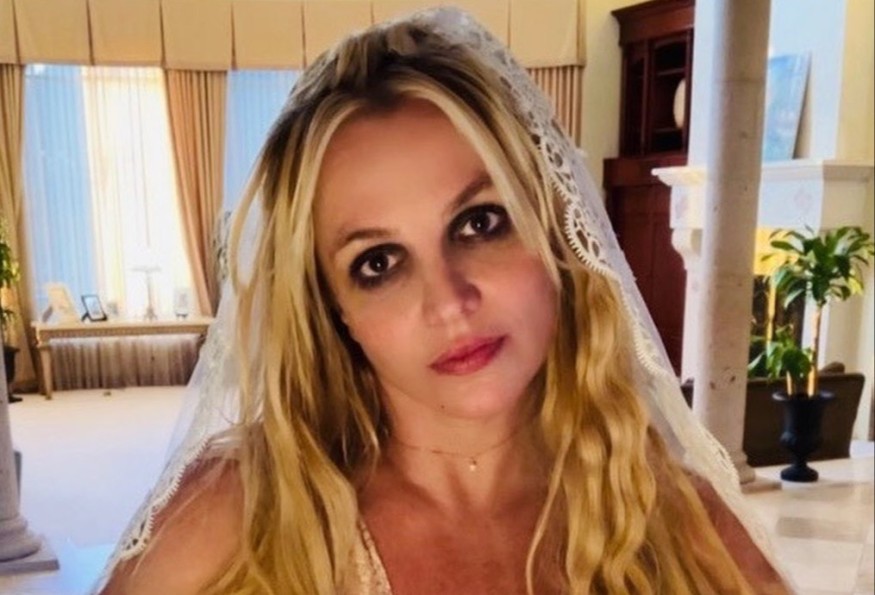
Britney Spears sells her music catalog in a major industry deal, transferring ownership of the Britney Spears music catalog to Primary Wave and marking a powerful new chapter in her career. The agreement includes her biggest pop hits and signals a shift in how the Britney Spears music catalog will be managed, licensed, and protected in the years ahead.
Britney Spears is stepping into a new era, and this time it is not about a surprise single or a comeback performance. It is about ownership, control, and long-term strategy. The decision to sell the Britney Spears music catalog has instantly become one of the biggest music business stories of the year. For fans who grew up with her songs and for industry insiders who understand the value of a legacy artist, this move feels both bold and carefully planned.
The Britney Spears music catalog includes some of the most recognizable pop songs ever recorded. From “… Baby One More Time” to “Oops! … I Did It Again,” her early hits did more than dominate charts. They shaped global pop culture. They defined fashion trends, teen identity, music video storytelling, and the image of the modern pop star. Selling the Britney Spears music catalog means transferring not just songs, but cultural milestones.
The buyer, Primary Wave, is known for investing in major music rights and building long-term value through licensing, branding, and partnerships. By acquiring the Britney Spears music catalog, the company gains access to a collection of songs that still stream in massive numbers and remain relevant across generations. These tracks appear in movies, TV series, commercials, TikTok trends, and curated nostalgia playlists. The value is not only historic, it is ongoing.
Reports confirm that the deal was finalized quietly, with negotiations kept out of the spotlight. While the official financial details have not been publicly disclosed, industry estimates suggest the Britney Spears music catalog was sold for a figure that places it among other high-profile catalog transactions in recent years. The market for legendary pop catalogs has grown rapidly, and the Britney Spears music catalog stands as one of the strongest assets from the late 1990s and early 2000s era.
For Britney Spears herself, this decision carries deeper meaning. After years of intense public scrutiny and a long conservatorship that ended in 2021, she has been rebuilding her life and career on her own terms. The sale of the Britney Spears music catalog can be seen as part of that reset. It allows her to separate past obligations from future creative freedom. Instead of managing licensing, royalties, and legal structures connected to the Britney Spears music catalog, she can focus on whatever direction she chooses next.
Her musical journey began as a teenage phenomenon who quickly became the face of a pop explosion. The Britney Spears music catalog reflects that journey in chapters. The early bubblegum pop era, the more experimental phase with tracks like “I’m a Slave 4 U,” the darker, electronic energy of “Blackout,” and the polished comeback years that followed. Each album added new layers to the Britney Spears music catalog, turning it into a timeline of personal and artistic evolution.
Selling the Britney Spears music catalog does not erase her legacy. In fact, it confirms its value. Companies like Primary Wave do not invest in music that fades quickly. They invest in catalogs with lasting power. The Britney Spears music catalog continues to generate revenue through streaming platforms, digital downloads, sync deals, and international licensing. Younger audiences still discover her songs for the first time, while older fans revisit them with nostalgia.
In the modern music business, catalogs have become powerful financial tools. Artists across genres have chosen to sell their rights, often securing large payouts in exchange for transferring ownership. The Britney Spears music catalog fits perfectly into this trend. Music rights are now treated almost like real estate or stock portfolios. A strong catalog offers steady returns, especially when it includes songs that shaped pop culture in unforgettable ways.
Her last full studio album, “Glory,” arrived in 2016. Since then, Britney Spears has released select collaborations, including “Hold Me Closer” with Elton John and “Mind Your Business” with will.i.am. These projects reminded listeners that her voice still holds power. However, the Britney Spears music catalog remains the foundation of her career. It is the body of work that built her global identity.
There is also an emotional layer to this story. Many of the songs in the Britney Spears music catalog were recorded during periods of intense pressure. Fame arrived quickly and never slowed down. Public narratives often overshadowed the music itself. By selling the Britney Spears music catalog now, she closes a chapter that has been tied to both success and struggle.
From a business perspective, the acquisition of the Britney Spears music catalog gives Primary Wave the opportunity to expand its reach through anniversary editions, special vinyl releases, branded collaborations, and curated campaigns. Classic songs often experience revival moments when placed in the right film scene or streaming playlist. The Britney Spears music catalog offers endless possibilities for creative reintroduction.
It is important to note that selling the Britney Spears music catalog does not prevent her from creating new music. Any future recordings would exist separately from this deal. Many artists choose to sell past catalogs while continuing to release new work under fresh agreements. The move is strategic rather than final. The Britney Spears music catalog represents her past achievements, not the end of her artistic voice.
Fans have reacted with a mix of surprise and understanding. Some see the sale of the Britney Spears music catalog as a practical step toward independence. Others view it as a symbolic turning point. Either way, the conversation highlights how deeply connected people remain to her music. The Britney Spears music catalog is not just a collection of tracks; it is part of personal memories, teenage bedrooms, dance floors, and pop history.
The broader music industry continues to shift toward catalog investment as a core strategy. Streaming ensures that songs never truly disappear. Every time someone presses play on a classic hit, the catalog gains new life. The Britney Spears music catalog benefits from this digital ecosystem, where global access keeps older songs relevant.
Britney Spears remains one of the most influential pop figures of her generation. Her impact reaches beyond record sales into style, performance, and the idea of pop reinvention. Selling the Britney Spears music catalog confirms the enduring demand for her work. Ownership may change hands, but the connection between artist and audience stays intact.
As the Britney Spears music catalog enters a new phase under Primary Wave, its future will likely include fresh licensing deals and new audience discoveries. Meanwhile, Britney Spears herself stands at a different kind of crossroads, one that is less about chart positions and more about personal direction. The songs that defined a generation now move forward under new management, while her name continues to carry the legacy they built.