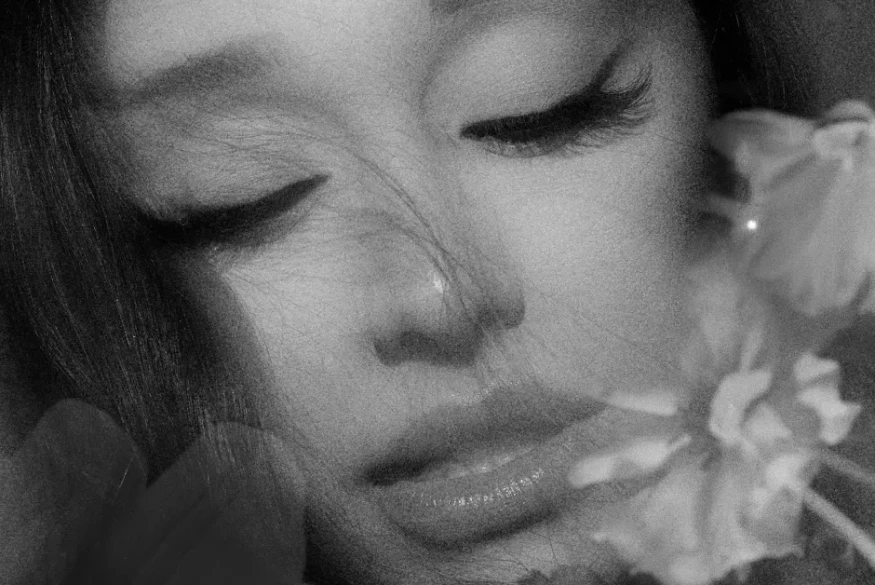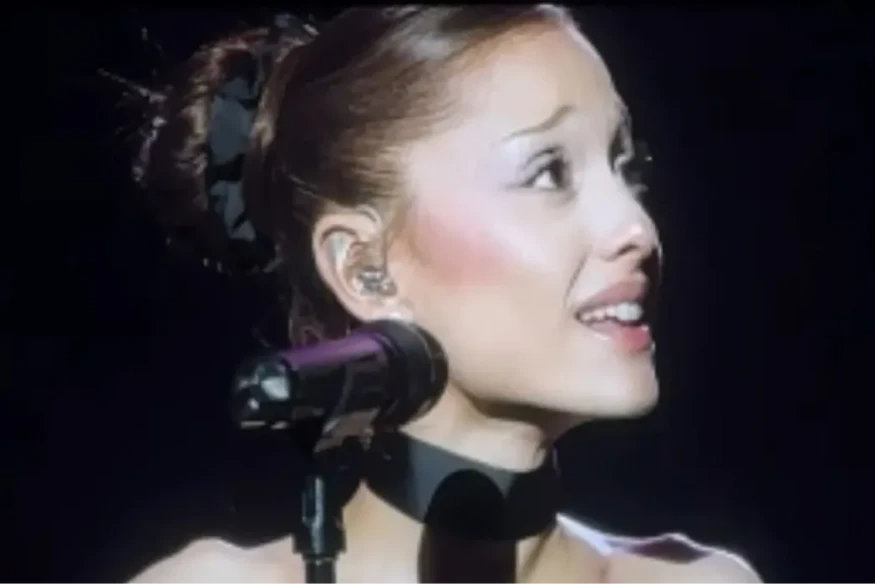
Ariana Grande has officially launched a new chapter of her music career with the release of “Hate That I Made You Love Me,” the first single from her upcoming album Petal. While the cinematic music video has received praise for its ambitious storytelling and striking visuals, much of the online conversation has unexpectedly shifted toward the singer’s appearance, with fans debating concerns about her health and the ongoing scrutiny surrounding her body.
The release of “Hate That I Made You Love Me” was intended to introduce audiences to the creative direction of Ariana Grande’s next era. Instead, within hours of the music video’s premiere, social media platforms became flooded with discussions about her physical appearance. Images and clips from the video quickly spread across TikTok, X, Instagram, and Reddit, generating millions of views and thousands of comments from fans and critics alike.
The music video itself presents one of Grande’s most cinematic visual projects in recent years. Featuring actor Justin Long in a central role, the story unfolds like a psychological thriller, following a man haunted by memories of a relationship he cannot escape. Throughout the narrative, Ariana appears as a mysterious and almost ghostlike presence, creating an atmosphere filled with tension, symbolism, and emotional complexity.
Many viewers praised the production for its sophisticated direction, dark aesthetic, and storytelling approach. Critics and fans highlighted the visual ambition of the project, describing it as a refreshing artistic evolution for the singer. However, as often happens in the age of social media, attention quickly moved away from the creative work itself and toward discussions about the artist’s appearance.
Screenshots showing Ariana Grande wearing a yellow dress during several scenes became widely shared online. A number of users expressed concern, commenting on her slim figure and speculating about her health. Some posts accumulated hundreds of thousands of views within a matter of hours, turning what began as reactions to a music video into a broader conversation about celebrity appearance and public scrutiny.
The discussion immediately divided audiences. Some fans claimed they were worried about the singer and expressed genuine concern, while others argued that making assumptions about a person's health based solely on photographs or video clips is both irresponsible and potentially harmful. The disagreement quickly evolved into a wider debate about body image, celebrity culture, and the boundaries between public interest and personal privacy.
“This conversation says as much about social media culture as it does about Ariana Grande herself.”
Supporters of the singer were particularly vocal in defending her. Many pointed out that no one can accurately assess another person’s physical or mental well-being simply by looking at carefully edited images or a professionally produced music video. Others argued that repeated public commentary about celebrities’ bodies often contributes to unhealthy discussions and unrealistic expectations, regardless of whether those comments are framed as concern or criticism.
The situation is not entirely new for Ariana Grande. Over the past several years, she has repeatedly found herself at the center of conversations regarding her appearance. During the promotional cycle for Wicked, she addressed the issue directly, speaking openly about how frequently people feel entitled to comment on the bodies of public figures without understanding what is happening in their personal lives.
At the time, Grande explained that people often compare current appearances to past versions of a person without recognizing the circumstances behind those differences. Her comments resonated widely because they highlighted a broader issue that extends far beyond celebrity culture. Many observers noted that body-related discussions can affect anyone, not just famous artists, and often reflect larger societal attitudes toward appearance and self-worth.
The renewed attention generated by the new music video demonstrates how quickly these conversations can return. Despite previous public discussions about body positivity and personal boundaries, social media continues to create environments where physical appearance becomes a central topic of conversation whenever a celebrity makes a public appearance.
Beyond the controversy, “Hate That I Made You Love Me” represents an important artistic moment for Ariana Grande. The single serves as the official introduction to Petal, an album that the singer has described as more personal, more experimental, and more emotionally vulnerable than some of her previous work. Early reactions suggest that the project may showcase a darker and more cinematic side of her artistry.
Musically, the song explores themes of heartbreak, self-reflection, emotional responsibility, and the complicated aftermath of relationships. Its atmospheric production and introspective lyrics signal a creative direction that differs from some of Grande’s earlier chart-focused pop releases. The visual component reinforces those themes through symbolism, suspense, and emotionally charged storytelling.
Many fans believe the music video offers one of the strongest visual statements of her recent career. The combination of dramatic cinematography, narrative structure, and psychological tension has generated considerable praise from viewers who see it as evidence of Ariana Grande’s continued artistic evolution. For those supporters, the discussion surrounding her appearance risks overshadowing the actual creative achievements of the project.
The timing of the release also makes the conversation particularly significant. With Petal scheduled to arrive later this summer, Grande is entering a new promotional cycle that will likely place her under intense public scrutiny. Every interview, appearance, performance, and social media post is expected to generate substantial attention as anticipation for the album continues to grow.
At the same time, the situation highlights the challenges modern artists face when presenting new work. Even carefully crafted artistic projects can quickly become secondary to discussions unrelated to the music itself. In Ariana Grande’s case, a highly anticipated music video became the catalyst for a broader conversation about celebrity bodies, online behavior, and public expectations.
As “Hate That I Made You Love Me” continues to accumulate millions of views worldwide, Ariana Grande remains one of the most talked-about figures in contemporary pop culture. Whether the focus is on her music, her artistic choices, or the reactions they generate, the level of interest surrounding her career shows no sign of slowing down as the arrival of Petal draws closer.