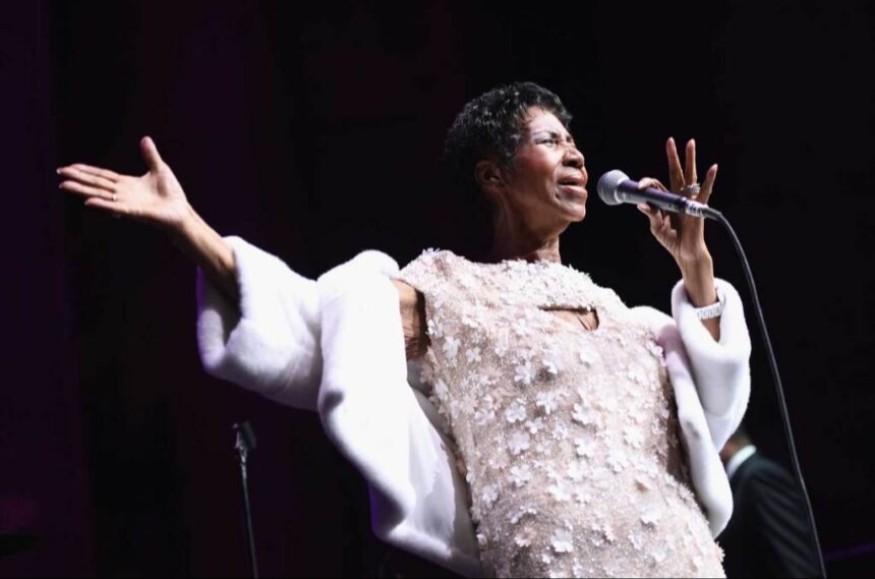
Aretha Franklin’s “Respect” has been named the greatest song of all time by Rolling Stone, cementing her legacy as the Queen of Soul. More than a chart-topping hit, “Respect” became a global anthem of dignity, power, and social change, shaping modern soul, pop, and cultural history in ways that still resonate today.
When Aretha Franklin released “Respect” in 1967, few could have predicted that the song would go on to redefine popular music. Nearly six decades later, “Respect” has officially been named the greatest song of all time by Rolling Stone, confirming what generations of listeners already knew. The impact of “Respect” goes far beyond its melody. It represents a moment when music, culture, and social change met in perfect harmony.
Aretha Franklin did not simply record “Respect.” She transformed it. The song had first been written and recorded by Otis Redding in 1965, but when Aretha Franklin stepped into the studio two years later, she reshaped its meaning entirely. In her hands, “Respect” became a declaration rather than a request. It shifted from a man’s plea into a woman’s demand, delivered with power and clarity.
The opening piano chords of “Respect” immediately set the tone. From the first note, Aretha Franklin’s voice carried authority. Her delivery was not subtle. It was bold, direct, and unforgettable. When she spelled out R-E-S-P-E-C-T, it was more than a catchy hook. It became one of the most iconic moments in music history.
The success of “Respect” was immediate. The track climbed to No.1 on the Billboard Hot 100, marking the first major chart-topping hit of Aretha Franklin’s career. It also reached the top of the R&B chart, establishing her as a leading force in soul music. That commercial success was only part of the story.
What made “Respect” extraordinary was its cultural timing. The late 1960s were defined by civil rights activism, social unrest, and a growing movement for gender equality. In that climate, “Respect” felt urgent. The song captured a collective desire for dignity and recognition. Aretha Franklin gave voice to feelings that many people were already experiencing but had not yet heard expressed so clearly in mainstream music.
Her version of “Respect” also introduced new musical elements. The backing vocals, performed by her sisters Erma and Carolyn Franklin, added energy and warmth. Their harmonies created a powerful call-and-response dynamic that intensified the song’s emotional charge. The famous “sock it to me” refrain became another defining feature, adding rhythm and personality.
At just 24 years old, Aretha Franklin demonstrated remarkable artistic confidence. Her interpretation of “Respect” showed not only vocal strength but also creative vision. She adjusted the arrangement, refined the lyrics, and infused the performance with conviction. That combination turned a strong song into a cultural milestone.
The Grammy Awards quickly recognized the impact of “Respect.” In 1968, Aretha Franklin won two Grammy Awards for her performance, further solidifying her status as a leading artist. Those honors marked the beginning of a long list of accolades that would define her legendary career.
The influence of “Respect” stretches across genres. Soul, pop, R&B, and even rock artists have cited Aretha Franklin’s performance as a benchmark. The song became a blueprint for emotional honesty and vocal power. It demonstrated that popular music could carry a social message without sacrificing mainstream appeal.
Rolling Stone’s decision to name “Respect” the greatest song of all time reflects more than nostalgia. The ranking acknowledges lasting impact. Unlike many hits that fade with time, “Respect” continues to resonate. It remains present in films, television, live performances, and public events. Its message still feels relevant.
Aretha Franklin’s ability to merge artistry with meaning is a key reason why “Respect” endures. She did not rely on gimmicks or trends. Instead, she relied on authenticity. Every note she sang carried emotional truth. That authenticity allowed the song to transcend its original era.
The legacy of “Respect” also shaped Aretha Franklin’s identity as the Queen of Soul. The title was not simply promotional. It reflected her influence on the genre. Through songs like “Respect,” she elevated soul music into the global mainstream while preserving its emotional depth.
Over the decades, “Respect” has been performed, covered, and sampled countless times. Yet no version has matched the power of Aretha Franklin’s original recording. Her interpretation remains definitive. That staying power is rare in music history.
The recognition by Rolling Stone reinforces the idea that greatness is measured by more than sales. It is measured by influence, emotional connection, and cultural significance. “Respect” meets all those criteria. The song did not just dominate charts. It helped shape conversations about equality and identity.
Aretha Franklin’s performance also demonstrated how music can unite audiences across backgrounds. Listeners from different generations and communities continue to connect with the message of “Respect.” The simplicity of the word itself makes the message universal.
Beyond its social impact, “Respect” stands as a masterclass in vocal performance. Aretha Franklin’s phrasing, control, and intensity set a standard that many artists still study today. The balance between power and precision in her delivery remains unmatched.
The lasting popularity of “Respect” proves that true classics are not confined to a specific time. Each new generation discovers the song and finds relevance in its message. That continuous rediscovery keeps Aretha Franklin’s legacy alive.
When Rolling Stone placed “Respect” at the top of its greatest songs ranking, it was not simply honoring a historical artifact. It was acknowledging a living influence. The song continues to inspire artists, empower listeners, and remind the world of music’s transformative power.
Aretha Franklin’s impact cannot be separated from “Respect.” The track represents a defining moment in her career and in modern music history. Its recognition as the greatest song of all time underscores the magnitude of what she achieved.
More than fifty years after its release, “Respect” remains a benchmark. It stands as proof that a single performance can shift cultural conversations and leave a permanent mark on global music. Through “Respect,” Aretha Franklin created a legacy that continues to shape the sound and spirit of popular music.