| Genre | mpb, brasil, brazilian, Bossa Nova, brazil |
|---|
Born 27 January 1949, in Alagoas, Brazil, Djavan combines traditional brazilian rhythms with popular music drawn from all over the american continent, Europe and Africa.
Born into a poor family in Maceió (capital of Alagoas, Northeast Brazil), Djavan formed the group Luz, Som, Dimensão (LSD - "Light, Sound, Dimension"), playing Beatles covers. In 1973 Djavan moved to Rio de Janeiro and started singing in local nightclubs. After competing in several festivals he gained attention and recorded the album A Voz, o Violão e a Arte de Djavan in 1976. The album included the song "Flor de Lis" which became one of his most memorable hits. Albums that followed included his other musical influence, African music, and additional hits followed like "Açaí", "Sina" and "Samurai", which featured Stevie Wonder's harmonica. His best known compositions are: "Meu Bem Querer", "Oceano", "Faltando um Pedaço", "Esquinas", "Seduzir", "Pétala", "Lilás", "A Ilha", "Fato Consumado", "Álibi", "Azul" and "Serrado".
His songs have been recorded by Al Jarreau, Carmen McRae, The Manhattan Transfer, and, in Brazil by Gal Costa, Dori Caymmi, Nana Caymmi, Lenine, João Bosco, Chico Buarque, Daniela Mercury, Ney Matogrosso, Dominguinhos, Caetano Veloso, Maria Bethânia, Johnny Alf, and other artists. The 1988 Epic Records single, "Stephen's Kingdom", featured a guest appearance from Stevie Wonder.
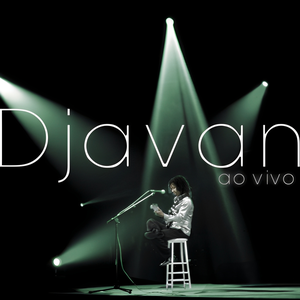
In 1999, his live concert double-volume album, Ao Vivo, has sold 1.2 million copies and the song, "Acelerou" became the Best Brazilian song of the year at 2000 Latin Grammy Awards.
http://en.wikipedia.org/wiki/Djavan
Source
Born 27 January 1949, in Alagoas, Brazil, Djavan combines traditional brazilian rhythms with popular music drawn from all over the american continent, Europe and Africa.
Born into a poor family in Maceió (capital of Alagoas, Northeast Brazil), Djavan formed the group Luz, Som, Dimensão (LSD - "Light, Sound, Dimension"), playing Beatles covers. In 1973 Djavan moved to Rio de Janeiro and started singing in local nightclubs. After competing in several festivals he gained attention and recorded the album A Voz, o Violão e a Arte de Djavan in 1976. The album included the song "Flor de Lis" which became one of his most memorable hits. Albums that followed included his other musical influence, African music, and additional hits followed like "Açaí", "Sina" and "Samurai", which featured Stevie Wonder's harmonica. His best known compositions are: "Meu Bem Querer", "Oceano", "Faltando um Pedaço", "Esquinas", "Seduzir", "Pétala", "Lilás", "A Ilha", "Fato Consumado", "Álibi", "Azul" and "Serrado".
His songs have been recorded by Al Jarreau, Carmen McRae, The Manhattan Transfer, and, in Brazil by Gal Costa, Dori Caymmi, Nana Caymmi, Lenine, João Bosco, Chico Buarque, Daniela Mercury, Ney Matogrosso, Dominguinhos, Caetano Veloso, Maria Bethânia, Johnny Alf, and other artists. The 1988 Epic Records single, "Stephen's Kingdom", featured a guest appearance from Stevie Wonder.
In 1999, his live concert double-volume album, Ao Vivo, has sold 1.2 million copies and the song, "Acelerou" became the Best Brazilian song of the year at 2000 Latin Grammy Awards.
http://en.wikipedia.org/wiki/Djavan
Source
Top Tracks
 1
1
Oceano
 2
2
Se...
 3
3
Eu Te Devoro
 4
4
Flor De Lis
 5
5
Um Amor Puro
 6
6
Samurai (feat. Stevie Wonder)
 7
7
Sina
 8
8
Nem um Dia
 9
9
Linha do Equador
 10
10
Lilás
Top Albums